The Hidden Risks of Iron Supplements
Why I Personally Avoid Iron Supplements
Iron supplements are commonly recommended today, but after doing my own research and paying attention to how my body responds, I personally chose to take a different approach.
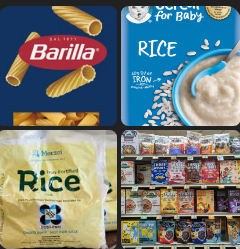
Beyond supplements, iron is also widely added to our food supply. Just look at many cereals, pastas, breads, and baby foods on store shelves today.
Of course, the body still needs iron in proper balance — the concern is excess or unnecessary supplementation.
How Iron Supplements May Feed Pathogens
Iron is strongly linked to the growth of certain bacteria, fungi, and parasites. Many pathogens rely on iron as a fuel source to survive and multiply.
During the COVID era, iron metabolism was also discussed in relation to inflammation, immune response, and illness severity, which made me even more cautious about excess or poorly regulated iron levels.
Of course, the body still needs iron in proper balance. My concern is simply that more is not always better when it comes to supplementation.
The Real Issue May Not Be “Low Iron”
Many people are told they’re anemic because their circulating iron appears low on lab work. But sometimes the issue may not be a true lack of iron.
This is where copper becomes incredibly important.
Copper is essential for proper iron metabolism. It helps transport iron where it needs to go and supports proper incorporation into hemoglobin.
This is one reason I focus more on supporting copper status and overall mineral balance rather than automatically reaching for iron supplements.
Ceruloplasmin Matters Too
Iron also depends on ceruloplasmin, a copper-dependent protein that helps transport and regulate iron safely within the body.
To produce healthy ceruloplasmin, the body relies on key nutrients commonly found in animal foods, including:
- Liver
- Egg yolks
- Dairy fat
- Seafood
These foods also provide true Vitamin A (retinol), which plays a role in ceruloplasmin production.
Plant foods contain beta carotene rather than true Vitamin A, and many people do not convert beta carotene efficiently.
Foods Commonly Fortified With Iron
One thing that surprised me during my research was how many processed foods are fortified with added iron.
Common examples include:
- Breakfast cereals
- Pasta
- Bread products
- Baby formula and baby cereals
- Processed grains and snack foods
For me personally, this raised questions about how much added iron people may already be consuming without realizing it.
Why I Focus on Food First
Instead of relying heavily on isolated supplements, I prefer focusing on nutrient-dense foods that naturally contain supportive minerals and cofactors.
Foods like:
- Red meat
- Liver
- Eggs
- Seafood
- Full-fat dairy
provide nutrients together in a more balanced, bioavailable form.
To me, the body seems to respond best when nutrients come packaged the way nature designed them.
My Personal Approach
For me, this isn’t about chasing lab numbers or following standard supplement advice.
It’s about supporting the body the way it was designed to work — looking at mineral balance, nutrient relationships, and real food instead of isolated high-dose supplements.
I’m not saying iron is never needed. There are situations where it absolutely might be.
But routine iron supplementation without considering the full mineral balance is something I personally choose not to do.
The Bigger Picture
The body works in systems, and minerals work together in balance rather than in isolation.
When one nutrient is pushed too high without its supporting partners, imbalance can happen quickly.
For me, the focus is:
- Supporting copper
- Supporting ceruloplasmin
- Eating nutrient-dense, bioavailable foods
- Being cautious with fortified foods
- Questioning “one size fits all” supplement advice
Final Thoughts
I’m simply sharing the perspective and research that shaped my personal approach.
For me, focusing on nutrient balance, bioavailable foods, and supporting the body naturally has made far more sense than automatically adding more iron supplements.