Browsed by
Category: Sleep

Why You Shouldn’t Fear the Sun: The Health Benefits of Sunshine, Vitamin D, and Natural Skin Resilience

Why You Shouldn’t Fear the Sun: The Health Benefits of Sunshine, Vitamin D, and Natural Skin Resilience

Sunshine Truth: Why You Shouldn’t Fear the Sun

Are you afraid of the sun? 🌞 You’re not alone.

The fear of sunlight has become almost comical — people applying sunscreen just to sit near a window or walk to the mailbox! 😅

As for me? I don’t wear sunscreen daily. The only time I consider it is if I’ll be in direct sun for longer than an hour — and I live in Arizona. 🌵

In fact, I intentionally seek out the sun.

Every morning, I step outside for 10–20 minutes of natural light. This simple habit supports mood, regulates circadian rhythm, strengthens immune function, and may even play a role in long-term skin resilience.

Sunlight isn’t something to fear — it’s something to understand.


🌞 Morning Sunlight Is Powerful Medicine

Moderate daily sunshine helps the body:

  • Produce vitamin D naturally
  • Balance hormones
  • Boost serotonin and mood
  • Support immune regulation
  • Strengthen circadian rhythm for deeper sleep

We were designed for light. Modern indoor living has made sunlight feel foreign, when it is actually foundational.


🧬 The Surprising Science

In 1988, Australian researchers ran an interesting animal study using two groups of mice.

Both groups:

  • Ate the same number of calories
  • Received the same amount of UV exposure

But here’s what happened:

☀️ The group eating seed oils developed skin tumors after UV exposure.
🥥 The group eating saturated fats remained healthy.

When the diets were switched, the results reversed — the seed oil group began developing tumors again.

The takeaway?

👉 It may not be sunlight itself that creates the greatest risk… but the internal environment the sunlight is interacting with.


🥑 Seed Oils vs. Sunlight

When the body is overloaded with unstable polyunsaturated fats (PUFAs) from seed oils such as:

  • Canola
  • Soybean
  • Sunflower
  • Safflower

…those fats oxidize easily.

That oxidation increases:

  • Inflammation
  • UV sensitivity
  • Cellular stress
  • Skin vulnerability

On the other hand, stable fats such as:

  • Butter
  • Coconut oil
  • Olive oil
  • Red meat fats

help build stronger, more resilient cellular membranes.

Your skin becomes better nourished from within — and sunlight becomes far less of an enemy.


🌤️ The Bottom Line

Moderate sun exposure is vital for human health.

Sunlight supports:

  • Vitamin D production
  • Mood and serotonin
  • Immune strength
  • Hormonal balance
  • Sleep rhythm
  • Natural resilience over time

The answer isn’t to hide from the sun.

The answer is to live wisely:

☀️ Get regular, gentle exposure
🥑 Avoid inflammatory seed oils
🌿 Nourish your skin from within
🚫 Avoid burning

So next time you feel warm sunshine on your skin, don’t fear it…

Embrace it wisely. 🌞💛

Copper Deficiency Symptoms: Why This Mineral Matters for Histamine, Healing, and Longevity 🧲✨

Copper Deficiency Symptoms: Why This Mineral Matters for Histamine, Healing, and Longevity 🧲✨

Copper may be one of the most critical minerals for human health, yet it’s also one of the most depleted. Skin, energy, immune balance, histamine control, connective tissue, mitochondrial health—copper quietly touches all of it.

And yet… almost no one talks about copper deficiency.

Why Are So Many People Copper Deficient? ⚠️

Copper deficiency isn’t accidental—it’s created. Many common nutrients and modern practices block, antagonize, or deplete copper:

  • Iron blocks copper absorption
    Iron bioaccumulates, is difficult to detox, and correlates with oxidative stress and early disease—largely because it antagonizes copper.
  • Vitamin A depletes copper
  • High-dose Niacin (B3) blocks copper
  • Magnesium over ~1,000 mg/day blocks copper
  • Excess zinc (especially ratios ≥15:1 zinc:copper)
    Even zinc denture creams have caused severe neurodegenerative damage by inducing copper deficiency.
  • Vitamin C over 3,000 mg/day blocks copper
  • Calcium blocks copper and magnesium
    Calcium without copper keeps calcium out of bones and stuck in soft tissues, contributing to arthritis, calcification, and stiffness.
  • Vitamin D
    While promoted for bone health, excess D can retain calcium in soft tissues, contributing to bone spurs, arterial calcification, kidney stones, gallstones—and yes, it also blocks copper.

No wonder copper deficiency is everywhere.


What Does Copper Actually Do? 🔥

Copper isn’t optional—it’s foundational.

Core Benefits of Copper 🌿

  • Activates mitochondrial energy production
  • Supports iron metabolism (without copper, iron becomes toxic)
  • Builds collagen, elastin, and connective tissue
  • Supports brain and nervous system health
  • Essential for antioxidant enzymes (like SOD)
  • Regulates histamine and mast cell activation
  • Supports immune balance and pathogen defense
  • Required for thyroid function
  • Critical for skin, hair pigmentation, and anti-aging

Copper & Histamine 🌊

Copper helps:

  • Degrade excess histamine
  • Stabilize mast cells
  • Reduce pseudo-allergic reactions
  • Support hydration and electrolyte balance

Low copper often shows up as:

  • Flushing
  • Itching
  • Anxiety
  • Tongue tingling
  • Afternoon fatigue
  • “Dry but not thirsty” sensations

Copper for Skin & Anti-Aging 🧴✨

Copper peptides (especially GHK-Cu) are legendary for a reason:

  • Increases collagen and elastin
  • Improves skin thickness and elasticity
  • Accelerates wound healing
  • Reduces inflammation
  • Signals skin regeneration

This is why copper is used topicallysubcutaneously, and systemically.


Forms of Copper (and How They’re Used) 💉🧴💊

1. Topical Copper (Creams, Serums, Peptides)

Best for:

  • Skin rejuvenation
  • Scalp and hair health
  • Local inflammation
  • Anti-aging

Common forms:

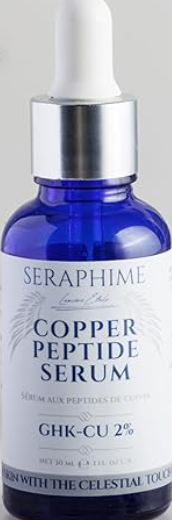
  • Copper peptides (GHK-Cu) (I apply this every day on my skin but also 2x a week, at night, I dermaroll and then apply for deeper penetration)
  • Copper PCA

🟢 Can be used daily
⚠️ May cause temporary tingling or warmth


2. Subcutaneous Copper (Peptides or Trace Copper)

Best for:

  • Systemic healing
  • Connective tissue repair
  • Immune modulation
  • Anti-aging signaling

Often used in cycles, not indefinitely. I have noticed tremendous improvements from taking GHK-CU subcutaneously.


3. Oral Copper (Glycinate, Bisglycinate)

Best for:

  • Correcting deficiency
  • Supporting histamine balance
  • Thyroid and energy support

⚠️ Requires careful dosing and zinc awareness.


Copper & Peptides 🧬

Copper is inseparable from peptide therapy:

  • GHK-Cu literally is copper bound to a peptide
  • Copper enables cellular signaling, repair, and regeneration
  • Many peptide benefits fail without adequate copper

Copper & Autoimmune Health 🛡️

Copper helps:

  • Reduce oxidative stress
  • Balance immune signaling
  • Support gut integrity
  • Lower inflammatory cascades
  • Improve mitochondrial resilience

Copper deficiency often mimics or worsens autoimmune symptoms.


Copper, Weight & Metabolism ⚖️

Copper:

  • Supports mitochondrial fat oxidation
  • Improves insulin signaling
  • Helps regulate thyroid hormones
  • Prevents iron-driven metabolic damage

Low copper = sluggish metabolism, fatigue, and stalled weight loss.


Copper & Sleep 🌙

Copper supports:

  • Nervous system regulation
  • Melatonin production pathways
  • Reduction in nighttime histamine spikes

Copper imbalance can contribute to restless or fragmented sleep, especially in the second half of the night.


Dosage Guidelines (General Ranges) 📏

Oral Copper

  • Typical: 1–3 mg/day
  • Short-term deficiency correction may go higher under guidance

Topical Copper

  • Daily use is common

Subcutaneous Copper / GHK-Cu

  • Often cycled (example: 8–12 weeks on, then a break)

⚠️ Balance with small portions of zinc (sometimes food sources are enough)—never megadose one without the other.


Side Effects & Detox Symptoms ⚠️

Possible (especially when deficient):

  • Temporary nausea
  • Headache
  • Fatigue
  • Warmth or tingling
  • Mild anxiety during rebalancing

These often reflect copper repletion, not toxicity.


Risks of Too Much Copper 🚨

True copper toxicity is rare and usually due to:

  • Genetic disorders (like Wilson’s disease)
  • Industrial exposure
  • Severe imbalance with zinc

Copper becomes problematic when:

  • Zinc is too low
  • Iron is excessive
  • Liver function is impaired

Who Should Be Careful or Avoid Copper? 🚫

  • Wilson’s disease
  • Severe liver disease
  • Active copper overload confirmed by testing

Can You Take Copper Continuously? 🔄

It depends on the form.

  • Topical copper: yes, often continuous
  • Oral copper: usually best cycled or reassessed
  • Injectable/subcutaneous copper: best cycled

Copper works best when respected, not megadosed.


Want to Go Deeper? 📚✨

If you want to go deeper into this topic, the book The Copper Revolution explains why copper is so essential, how modern exposures (including fluoride) can interfere with copper balance, and why deficiency may be far more common than most people realize. It connects many of the dots between metabolism, aging, and chronic symptoms in a way that’s both eye-opening and practical.


Final Thoughts 💭

Copper isn’t trendy. It isn’t heavily marketed. And it doesn’t come with flashy promises.

But it may be one of the missing links in:

  • Histamine intolerance
  • Autoimmune dysfunction
  • Poor skin aging
  • Fatigue
  • Weight resistance
  • Sleep disruption

I personally apply copper topically and also use it subcutaneously, because the results—skin, energy, and resilience—are undeniable.

Copper doesn’t shout.
It restores.

My Sleep Stack Blog: Best Supplements, Peptides & Natural Strategies

My Sleep Stack Blog: Best Supplements, Peptides & Natural Strategies

Sleep is precious—and when you don’t get it, your body, brain, mood, and metabolism all feel it. If your struggle isn’t falling asleep but waking up in the middle of the night and staying awake for hours, you’re not alone. This type of insomnia (often called second-half insomnia) is frequently linked to early-morning cortisol spikes and disrupted circadian rhythm.

Through trial, error, and research, I’ve refined a routine that supports deeper, more restorative sleep without next-day grogginess. Below is a full breakdown of what helps: lifestyle shifts, supplements, and peptides like DSIP and Epitalon—plus dosage, benefits, risks, and who should avoid them.


What Causes Second-Half Insomnia?

Second-half insomnia usually shows up as:

  • Falling asleep easily but waking between 2–4 a.m.
  • Feeling alert instead of sleepy
  • Lying awake for hours without anxiety
  • Trouble returning to deep sleep cycles

Common contributors include:

  • Elevated nighttime cortisol
  • Blood sugar swings overnight
  • Pain or bladder disruptions
  • Poor sleep environment
  • Circadian rhythm misalignment

Natural Strategies That Help Second-Half Sleep

1. Stabilize Internal Factors

Focus on what’s happening inside your body:

  • Avoid alcohol and sugar most nights 🍷❌
  • Address pain before bed
  • Support bladder health (especially if waking to urinate)

2. Optimize Your Sleep Environment

Small changes matter:

  • Cool, dark bedroom 🌙
  • Comfortable mattress + pillow
  • Minimal noise/light disruption

3. Anchor Your Circadian Rhythm

One of the most powerful habits:

  • Get sunlight in your eyes first thing in the morning ☀️
    This supports melatonin rhythm and helps regulate nighttime cortisol.

Best Supplements for Second-Half Insomnia

Magnesium Glycinate

Benefits:

  • Supports relaxation and muscle tension relief
  • Helps regulate the nervous system
  • May reduce nighttime awakenings

Dosage:

  • 200–400 mg before bed

Side Effects/Risks:

  • Loose stools at higher doses

Who Should Avoid:

  • Those with kidney issues or magnesium sensitivity

Potassium Citrate

Benefits:

  • Supports hydration balance
  • Helps reduce nighttime cramps
  • May support deeper sleep cycles

Dosage:

  • Typically 99 mg before bed

Side Effects/Risks:

  • Digestive upset if taken without food

Who Should Avoid:

  • Those with kidney concerns or on potassium-altering medications

Glycine

Benefits:

  • Promotes deeper sleep quality
  • Supports body temperature regulation
  • Helps calm nighttime cortisol

Dosage:

  • 3 grams before bed

Side Effects/Risks:

  • Rare mild stomach upset

Apigenin

Benefits:

  • Calming plant compound 🌿
  • Supports GABA activity
  • May reduce nighttime alertness

Dosage:

  • 50–100 mg

Side Effects/Risks:

  • Mild sedation in some people

Phosphatidylserine

Benefits:

  • Helps regulate cortisol
  • Supports brain recovery during sleep
  • May reduce early awakenings

Dosage:

  • 200–400 mg

Side Effects/Risks:

  • Rare digestive discomfort
  • Sensitive individuals may experience headaches

Peptides for Sleep Support

Click to see where I purchase my peptides

Epitalon (Epithalon)

Benefits

  • Supports circadian rhythm regulation
  • Encourages natural melatonin production
  • May improve long-term sleep quality
  • Supports deeper restorative cycles

Dosage

  • Common protocols:
    • 5–10 mg total daily during cycles
    • Often used for 10–20 days, twice yearly

Can You Take It Continuously?

No. Epitalon is typically cycled (not continuous use).

Side Effects/Risks

  • Generally well tolerated
  • Rare mild headache or dizziness

Who Should Avoid

  • Pregnant or breastfeeding individuals
  • Those with serious medical conditions unless cleared

👉 Internal link idea: “My Epitalon Cycle Results”


DSIP (Delta Sleep-Inducing Peptide)

Benefits

  • Promotes deeper slow-wave (delta) sleep 💤
  • Helps reduce nighttime awakenings
  • Supports sleep continuity
  • Typically no next-day grogginess

Dosage

  • Common range: 100–300 mcg before bed

Can You Take It Continuously?

Best used as needed, not nightly long-term.
Many use it 1–2x weekly.

Side Effects/Risks

  • Rare mild headache
  • Occasional vivid dreams

Who Should Avoid

  • Pregnancy/breastfeeding
  • Those sensitive to peptides

👉 Where I Buy My Peptides


Can You Take These Together?

Yes—many people combine:

These work synergistically without heavy sedation.

Peptides like DSIP are usually added only when deeper support is needed.


Frequently Asked Questions

Why do I wake up at 3 a.m. every night?

Often due to cortisol rhythm disruption, blood sugar swings, or circadian misalignment.

How long before bed should I take supplements?

Most work best 30–60 minutes before sleep.

Will these cause grogginess?

Typically no. Most support natural sleep rhythms rather than sedation.


Final Thoughts

Second-half insomnia can feel frustrating, especially when your mind is calm but sleep won’t come. Supporting cortisol balance, circadian rhythm, and sleep depth with targeted strategies can make a real difference.

If you struggle with early awakenings, try layering gentle lifestyle shifts with the supplements above—and add peptides only when needed.

✨ Feel free to share what works for you!

Phosphatidylserine for Middle-of-the-Night Cortisol Spikes

Phosphatidylserine for Middle-of-the-Night Cortisol Spikes

Do you wake up at 2 or 3 a.m. and cannot get back to sleep — even though you’re not anxious or stressed? That was me. I would lie there for hours, wide awake. No racing thoughts. No worry. Just… awake.

After digging deeper, I discovered the issue wasn’t insomnia — it was a middle-of-the-night cortisol spike. Once I addressed cortisol, everything changed.

For me, phosphatidylserine for sleep became the missing piece. And if you struggle with disrupted sleep, weight loss resistance, peptide cycles, or autoimmune flares, understanding cortisol may be critical.

Let’s break it down clearly.


What Is Phosphatidylserine?

Phosphatidylserine (PS) is a phospholipid — a fatty substance that forms part of your cell membranes, especially in the brain.

It plays a role in:

  • 🧠 Cognitive function
  • 😌 Stress response regulation
  • 💤 Cortisol balance
  • 🔥 Inflammation modulation

Most importantly for sleep, phosphatidylserine helps regulate the HPA axis (hypothalamic-pituitary-adrenal axis) — the system that controls cortisol production.


Why Cortisol Spikes Wake You Up at Night

Cortisol should be:

  • Low at night
  • Highest in the morning

But if cortisol rises at 2–4 a.m., your body thinks it’s time to be alert.

This can cause:

  • Waking suddenly and feeling “wired but tired”
  • Difficulty falling back asleep
  • Second-half-of-the-night insomnia
  • Fatigue despite sleeping 6–7 hours

Cortisol dysregulation is common in:

  • Chronic stress history
  • Autoimmune conditions
  • Blood sugar instability
  • Rapid weight loss
  • Peptide use that influences metabolism

If you are doing intermittent fasting, using GLP-1s, or cycling peptides, this can sometimes shift cortisol patterns — especially while losing weight.


Benefits of Phosphatidylserine for Sleep 🌙

1. Lowers Elevated Nighttime Cortisol

Research shows phosphatidylserine can blunt excessive cortisol release, especially when levels are abnormally high.

2. Improves Middle-of-the-Night Insomnia

Many people find it helps specifically with:

  • 2 a.m. wakeups
  • Early morning awakenings
  • Light second-half sleep

3. Supports Weight Loss Hormones

Balanced cortisol supports:

  • Lower abdominal fat storage
  • Better insulin sensitivity
  • Less muscle breakdown

Chronic cortisol spikes can make weight loss harder — especially midlife.

4. May Support Autoimmune Stability

While not a treatment, better cortisol rhythm supports:

  • Reduced inflammatory stress
  • Improved recovery
  • More stable immune signaling

5. Brain and Memory Support

Phosphatidylserine is often used for:

  • Focus
  • Cognitive clarity
  • Age-related memory support

Phosphatidylserine Dosage for Sleep

For nighttime cortisol spikes:

Typical dosage range:

  • 100–400 mg before bed
  • Most people start with 100–200 mg

For high cortisol patterns:

  • Some use up to 400–600 mg daily (split doses)

I personally found that taking it before bed made a noticeable difference in second-half sleep.

💡 Tip: Start low and increase gradually.


Can You Take Phosphatidylserine Long-Term?

Yes — it is generally considered safe for long-term use.

There is no strict requirement to cycle it, but some people choose to:

  • Take it nightly during stressful seasons
  • Use it 5 days on / 2 days off
  • Reassess every 3–6 months

Unlike adaptogens that stimulate adrenal response, phosphatidylserine is more regulatory than stimulating.


Side Effects and Risks

Phosphatidylserine is typically well tolerated.

Possible mild side effects:

  • Digestive upset
  • Headache
  • Vivid dreams (rare)
  • Feeling too calm if dose is high

If you are very sensitive to calming supplements, start at the lowest dose.


Who Should Avoid Phosphatidylserine?

Use caution if you:

  • Take blood thinners
  • Use medications affecting acetylcholine
  • Have very low cortisol patterns (confirmed by testing)
  • Experience daytime fatigue from already low cortisol

If your issue is low cortisol rather than high, phosphatidylserine may not be appropriate.


Phosphatidylserine and Peptides

If you are using peptides that influence metabolism, recovery, or stress signaling, cortisol balance becomes even more important.

Proper sleep supports:

  • Better peptide response
  • Growth hormone optimization
  • Reduced inflammatory signaling
  • Improved recovery cycles

Disrupted sleep can blunt results — especially if you’re focused on body composition or anti-aging.


How I Knew It Was Cortisol (Not Anxiety)

What tipped me off:

  • No racing thoughts
  • No emotional stress
  • Awake but calm
  • Pattern repeated nightly around same time

That’s often hormonal, not mental.

Once I supported cortisol rhythm, the 2–3 a.m. wakeups improved significantly.


Frequently Asked Questions

How long does phosphatidylserine take to work for sleep?

Some notice improvement within days. Others need 1–2 weeks of consistent use.

Can I take it with magnesium or glycine?

Yes. It stacks well with:

  • Magnesium glycinate
  • Glycine
  • Inositol
  • Apigenin

Does it cause weight gain?

No. In fact, balanced cortisol may support fat loss.

Can it help autoimmune flares?

Indirectly. Stable sleep and cortisol rhythm support immune balance, but it is not a treatment.


Final Thoughts 🌿

If you struggle with middle-of-the-night insomnia, especially waking up wired but not anxious, consider cortisol as a root cause.

Phosphatidylserine may help regulate nighttime cortisol spikes, improve second-half sleep, and support weight loss, recovery, and immune balance.

Sleep is not just rest — it is repair.

And sometimes, the issue isn’t your mind.

It’s your hormones.

🌺Pau D’Arco: The Ancient Bark With Modern Benefits – Autoimmune, Gut, Inflammation, Weight & Sleep Support

🌺Pau D’Arco: The Ancient Bark With Modern Benefits – Autoimmune, Gut, Inflammation, Weight & Sleep Support

Pau D’Arco benefits go far beyond basic immune support. This ancient South American tree bark has been used for centuries to help calm inflammation, support gut balance, and gently modulate immunity — making it especially relevant for autoimmune wellness, metabolic health, sleep quality, and even peptide-based recovery protocols.

If your focus includes inflammation, gut repair, histamine balance, or immune regulation, Pau D’Arco deserves serious attention.

Let’s break it down clearly.


🌳 What Is Pau D’Arco?

Pau D’Arco (Tabebuia avellanedae or Handroanthus impetiginosus) is derived from the inner bark of a South American tree.

Its key active compounds:

  • Lapachol
  • Beta-lapachone

In english, these compounds are known for:

  • Antifungal properties 🍄
  • Antibacterial activity 🦠
  • Antiparasitic effects
  • Anti-inflammatory support 🔥
  • Immune modulation

Unlike stimulatory immune herbs, Pau D’Arco is generally considered balancing rather than overstimulating — important for autoimmune concerns.


🌟 Pau D’Arco Benefits

1️⃣ Pau D’Arco for Autoimmune Support

Inflammation is central to autoimmune flares.

Pau D’Arco may help:

  • Calm inflammatory responses
  • Support gut lining integrity
  • Reduce microbial triggers that drive immune activation
  • Support histamine balance in some individuals

Because gut health directly affects autoimmune expression, addressing fungal or microbial imbalance can have ripple effects across the body.

It does not “suppress” immunity — it helps regulate it.


2️⃣ Gut Health & Candida Balance 🍄

One of the most researched Pau D’Arco benefits is its antifungal activity.

It may help:

  • Reduce candida overgrowth
  • Support microbiome balance
  • Calm gut-related inflammation
  • Improve digestive comfort

Since gut dysfunction influences:

  • Autoimmune expression
  • Sleep quality
  • Energy levels
  • Weight regulation

Supporting fungal balance often creates multi-system improvement.


3️⃣ Weight & Metabolic Support ⚖️

Pau D’Arco does not directly cause fat loss.

However, indirect benefits include:

  • Reduced yeast overgrowth → fewer sugar cravings
  • Improved gut flora → better nutrient absorption
  • Lower inflammation → improved metabolic signaling

For individuals dealing with inflammatory weight resistance, this can remove hidden metabolic roadblocks.


4️⃣ Sleep & Histamine Regulation 💤

Pau D’Arco is not sedating. But better gut balance and lower inflammation often lead to:

  • Fewer nighttime histamine spikes
  • Less “wired but tired” feeling
  • Improved deep sleep stability

For individuals struggling with inflammatory sleep disruption, this is a meaningful secondary benefit.


5️⃣ Immune & Respiratory Support 🫁

Traditionally used for:

  • Cold and flu support
  • Lingering respiratory irritation
  • Fungal-related sinus issues

It may:

  • Support viral defense
  • Calm bronchial inflammation
  • Reduce throat irritation
  • Support immune resilience

Especially helpful when symptoms are inflammatory rather than purely viral.


💊 Pau D’Arco Dosage

🍵 Tea (Inner Bark Only)

  • 1–2 cups daily
  • Simmer 10–15 minutes

💊 Capsules / Extract

  • 500–1000 mg daily
  • Take with food

💧 Tincture

  • 1–2 dropperfuls
  • 1–2 times daily

Start lower and increase gradually.


⚠️ Pau D’Arco Side Effects

Generally well tolerated.

Possible side effects:

  • Mild nausea (if taken on empty stomach)
  • Loose stools at higher doses
  • Headache during detox phase
  • Mild blood-thinning effect

Severe reactions are rare but possible in sensitive individuals.


🚫 Who Should Not Take Pau D’Arco?

Avoid or use caution if you:

  • Take blood thinners
  • Are pregnant or breastfeeding
  • Have low platelet counts
  • Have surgery scheduled (stop 2 weeks prior)
  • Are undergoing chemotherapy (consult oncology team)

🔄 Can You Take Pau D’Arco Long-Term?

Yes — but cycling is often recommended.

Typical cycle:

  • 3–8 weeks on
  • 1–2 weeks off

Cycling may:

  • Prevent microbial resistance
  • Maintain effectiveness
  • Reduce digestive adaptation

For low-dose immune support, some individuals use it longer-term under guidance.


❓ Frequently Asked Questions

Is Pau D’Arco safe for autoimmune conditions?

Generally yes, because it modulates rather than stimulates immunity. Individual tolerance varies.

Can Pau D’Arco help candida?

Yes. Its antifungal properties are one of its primary traditional uses.

Does Pau D’Arco help with weight loss?

Indirectly — by reducing yeast overgrowth and inflammation.

Does Pau D’Arco make you sleepy?

No. Sleep improvement is secondary to inflammation reduction.


✨ Summary

Pau D’Arco benefits include:

  • Autoimmune support
  • Gut balance & candida control
  • Inflammation reduction
  • Immune modulation
  • Indirect metabolic support
  • Secondary sleep improvement

It pairs well with peptide protocols and natural detox strategies.

Used properly — with attention to dosage and cycling — it can be a powerful addition to an inflammation-focused wellness plan.

Epitalon Peptide Benefits for Sleep, Longevity, and Circadian Rhythm Reset 🌙✨

Epitalon Peptide Benefits for Sleep, Longevity, and Circadian Rhythm Reset 🌙✨

If you’ve been struggling with sleep issues, aging concerns, immune imbalance, or feeling “off-schedule,” you are not alone.

Many people — especially in midlife and beyond — begin noticing that their natural rhythms shift over time.

That’s where Epitalon comes in.

Epitalon is one of the most fascinating peptides in the longevity world. It is best known for supporting:

  • Restorative sleep
  • Circadian rhythm balance
  • Cellular repair
  • Immune health
  • Healthy aging

Let’s walk through what Epitalon is, why it works, who may benefit, and how to use it wisely. 💛


🌟 What Is Epitalon?

Epitalon (also called Epithalamin) is a synthetic version of a natural peptide produced by the pineal gland — often called the body’s “master clock.”

The pineal gland influences:

  • Sleep-wake cycles
  • Melatonin release
  • Hormonal rhythms
  • Aging-related processes

Think of Epitalon as a gentle reminder to your body:

✨ “This is what healthy sleep should feel like again.”


✨ Benefits of Epitalon

🌙 1. Supports Sleep & Resets Circadian Rhythm

This is Epitalon’s superpower.

Many people notice improvements such as:

  • Falling asleep faster
  • Staying asleep longer
  • Fewer middle-of-the-night wakeups
  • Less tossing and turning
  • Waking up feeling refreshed

➡️ Most people need 2–3 cycles before their sleep rhythm fully stabilizes.


🧬 2. Supports Cellular Longevity

Epitalon has been studied for its potential role in:

  • Telomere support
  • DNA repair pathways
  • Healthy cellular aging

This is one reason it has become a popular longevity peptide.


🛡️ 3. Immune System Regulation

Some research suggests Epitalon may help support immune balance as we age, when immune resilience naturally declines.


😊 4. Mood, Focus & Stress Balance

When circadian rhythm improves, many people notice benefits beyond sleep, including:

  • Better mood
  • Calmer stress response
  • Improved energy
  • More balanced hormones
  • Smoother digestion

Sleep truly affects everything.


💛 My Personal Experience With Epitalon

Epitalon was a true game changer for me.

I started slowly — 0.5 mg three nights a week — just to ensure I tolerated it well.

Once I knew my body responded positively, I increased to 1 mg nightly until the bottle was finished.

Before Epitalon, I often struggled with being awake for 3–4 hours in the middle of the night, unable to fall back asleep after getting up to use the bathroom.

My nights felt long, fragmented, and frustrating.

With Epitalon, everything changed.

Even after middle-of-the-night wakeups, I could fall back asleep within minutes — and I began waking up early feeling:

✨ refreshed
✨ clear
✨ energized
✨ grounded

After finishing my first bottle, the benefits continued for several weeks… until slowly, I noticed my rhythm drifting again.

Taking the required break hasn’t been easy — because I truly miss the peaceful, restorative nights Epitalon gave me.

I am absolutely looking forward to my second cycle. 🌙✨


⚠️ Possible Side Effects of Epitalon

Epitalon is generally well tolerated, but some people may experience:

  • Mild headaches
  • Vivid dreams
  • Temporary daytime sleepiness
  • Redness at injection site
  • Rare stimulation or insomnia if taken too early

Most side effects are mild and fade quickly.


🌼 Who May Benefit From Epitalon?

Epitalon may be a great fit for those who want to:

✅ Improve sleep quality
✅ Reset circadian rhythm
✅ Support healthy aging internally
✅ Improve mood and stress resilience
✅ Reduce reliance on melatonin
✅ Feel rested and energized again
✅ Support immune balance

It is especially popular among women in their 40s, 50s, and 60s, when natural melatonin production declines.


🚫 Who Should Avoid Epitalon?

Epitalon may not be appropriate for:

  • Anyone with active cancer
  • Pregnancy or breastfeeding
  • Those extremely sensitive to sleep-regulating peptides
  • Anyone with strong adverse responses to melatonin-like effects

💉 Common Dosage & Cycling Protocol

The most common Epitalon approach:

Standard Protocol

  • 0.5–2 mg nightly
  • 10–20 days per cycle
  • 2–3 cycles per year

Because Epitalon works gradually, most people see the deepest circadian improvements after multiple cycles.


🔁 Do You Need to Take Breaks?

Yes — cycling is essential.

Epitalon continues sending signals long after the cycle ends.

Breaks allow your body to:

  • reset
  • respond better
  • lock in the rhythm

Most people repeat cycles every 4–6 months.


💛 Final Thoughts

Epitalon is not a quick fix — it is a gentle, restorative peptide that works with your body.

If your nights feel chaotic or you’ve lost that natural bedtime “sleepiness,” know this:

✨ Your circadian rhythm can be restored.

And Epitalon may be one of the most powerful tools to help you get there.


🌙 Elle’s Tips for Getting the Most Out of Epitalon

✨ Start low if you’re sensitive
Many do beautifully beginning with 0.5 mg and working up slowly.

✨ Don’t expect perfection after one cycle
Most people need 2–3 rounds for full rhythm support.

✨ Keep evenings gentle
Avoid bright lights, TV glow, or stressful conversations after dosing.

✨ Hydration helps
Drink water earlier in the day so bathroom trips don’t steal your sleep.

✨ Pair it with a calming bedtime routine
Magnesium, herbal tea, prayer, journaling — Epitalon works best when your nervous system feels safe.

✨ Honor the breaks
The breaks are part of the magic — they help lock in your rhythm.

✨ Keep a simple sleep journal
Track wake times, dreams, and how refreshed you feel.

✨ Expect gentle shifts
One day you realize:

“Wow… I slept straight through and woke up feeling human again.”


💡 Cost + Link

As of this post, one bottle of Epitalon (one full round) is about $33.

And if you order from Simple Peptide, this link gives each of us $20 off:

https://simplepeptide.com?wlr_ref=REF-MXY-PUL

Glycine Benefits for Sleep, Weight Support, and Immune Health (A Simple Nighttime Secret)

Glycine Benefits for Sleep, Weight Support, and Immune Health (A Simple Nighttime Secret)


💤 Glycine Benefits for Sleep, Weight Support, and Immune Health (A Simple Nighttime Secret)Sleep is the foundation of health—yet so many of us struggle to get the deep, restorative sleep that keeps our bodies and minds functioning at their best. Enter glycine, a simple amino acid with some big benefits. Whether your goal is better sleep, supporting peptides, balancing your weight, or helping your immune system, glycine may be a game-changer.


🌙 What is Glycine?

Glycine is a naturally occurring amino acid found in collagen-rich foods like bone broth, fish, and meat. It’s also an important inhibitory neurotransmitter in the brain, meaning it helps calm the nervous system and prepare your body for rest.

Unlike some sleep aids that sedate you or make you groggy the next morning, glycine works with your body’s natural sleep cycles.


😴 Benefits of Glycine

1. Deep, Restorative Sleep

  • Lowers core body temperature, signaling your body that it’s time to sleep
  • Improves slow-wave sleep, the stage that restores muscles, tissues, and the brain
  • Reduces nighttime awakenings for a more continuous, restful sleep

2. Weight Support

  • By improving sleep, glycine indirectly supports weight management
  • Sleep regulates hunger hormones like ghrelin and leptin, which can help with appetite control
  • May support insulin sensitivity, which is key if you’re intermittent fasting or on peptides like tirzepatide

3. Peptide Support

  • Deep sleep is when many anti-aging and immune-supporting peptides (like Epitalon, GHK-Cu, or MOTS-C) work best
  • Taking glycine before bed can enhance the effectiveness of these peptides

4. Immune and Autoimmune Health

  • Glycine is anti-inflammatory and can help reduce overactive immune responses
  • Supports the liver in detoxifying the body, which is important for autoimmune health

💊 Recommended Dosage

  • Typical dose: 3 grams before bed
  • Maximum “sleep rescue” dose: Up to 5–7 grams if you really need a deep, uninterrupted sleep
  • Dissolve in warm water or tea for best absorption

💡 Tip: Start with 3 grams and see how your sleep improves. Only increase if necessary.


⚠️ Side Effects and Risks

Glycine is generally very safe. Most people tolerate it well, but:

  • Some may experience mild stomach upset at high doses
  • Very high doses (over 15–20 grams) may cause loose stools or nausea

Who shouldn’t take it:

  • People with kidney or liver disease should check with a professional before supplementing
  • Pregnant or breastfeeding women should use caution

🔄 Can You Take It Continuously?

Yes! Glycine can be taken nightly without a need for breaks, unlike some sedative supplements. Its mechanism is natural and restorative rather than habit-forming.


🌟 How to Use Glycine for Maximum Benefit

  • Take 3 grams about 30–60 minutes before bed. I take 3 of these Glycine pills
  • Combine with magnesium, glycine, and apigenin for enhanced sleep support
  • Pair with peptides if you’re using them to get the most restorative effect
  • Use consistently to help regulate sleep patterns

✅ Key Takeaways

  • Glycine promotes deep sleep, supports weight management, enhances peptide effectiveness, and can help with autoimmune and inflammatory balance
  • Safe for nightly use, with very few side effects
  • Typical dose: 3 grams; can increase to 5–7 grams for deep sleep rescue
  • Works best as part of a consistent nighttime routine

Sleep is a gift you give your body every night—glycine is a gentle, natural way to make that sleep even more restorative. 🌙✨

🧱Why I Won’t Touch Calcium — And You May Want To Think Twice Too ✋

🧱Why I Won’t Touch Calcium — And You May Want To Think Twice Too ✋

Have you ever noticed the
white, crusty buildup on a faucet?
That’s calcium.

Now… ask yourself:
Why would I want THAT building up inside my body? 🤯

It sounds dramatic, but it’s exactly what happens when the body gets overloaded with calcium. It doesn’t stay politely in your bones — it creeps into soft tissues, arteries, joints, kidneys, and even your skin. Think of it as your body slowly turning to stone from the inside out. 🪨😬

And yes… it can happen quietly, over decades.


1. We Are Drowning in Calcium 🥛➕

You do not need to supplement calcium — truly.
Our food supply is already over-fortified with it:

  • Cereals 🥣
  • Breads 🍞
  • Juices 🧃
  • Milks (dairy + non-dairy) 🥛
  • Snack bars 🍫
  • Processed foods 🏭
  • They start it young as it is even in baby food! 🍼

Women keep being told, “You need more calcium for strong bones!”
But the truth? Most women today have too much calcium and not enough magnesium.

Excess calcium = stiffness, inflammation, aging.


2. Magnesium Is the True Regulator ✨🧲

This part is SO important:
Magnesium tells calcium where to go.

When magnesium is low (and almost every woman I talk to is deficient), calcium deposits itself in all the wrong places:

  • Arteries → stiffness 🚫❤️
  • Joints → pain 🔥
  • Muscles → tightness 🤕
  • Tendons → calcification ⚠️
  • Kidneys → stones 💎
  • Brain → aging 🧠⬇️

Low magnesium looks like:
💤 restless sleep
💓 heart flutters
💧 anxiety
⚡ muscle cramps
😣 fatigue
🚽 constipation

And women blame age or hormones… when it’s often calcium overload + magnesium deficiency.


3. Vitamin D Raises Calcium… But They Push It Anyway 🌞⬆️

Here’s the wild part:
Vitamin D’s job is to increase calcium absorption… yet it’s pushed non-stop.

If you’re already calcium-heavy, taking high-dose Vitamin D without magnesium is like turning on a fire hydrant into a clogged drain. 💦🚫

Magnesium = gatekeeper
Vitamin D = accelerator

Guess which one most women are missing?
👉 Magnesium.


4. Calcium Supplements? Not for Me 🙅‍♀️

I personally won’t touch calcium supplements — ever.

I don’t want:

  • calcified arteries 🚫
  • stiff joints 🦴
  • bone spurs ⚠️
  • or “stone-like” tissues and kidney stones 🪨

Women think they’re “protecting their bones,” but calcium does not build healthy bones.

Strong bones require:
✨ Magnesium
✨ Protein
✨ Real minerals from real food
✨ Movement

Calcium supplements?
No thank you. 🙅‍♀️


5. What I Do Instead 🌿💛

I focus on the mineral most women are severely lacking:

👉 Magnesium.

It puts calcium where it belongs — in your bones — and keeps it out of your organs.

My personal magnesium routine:

My sleep, mood, and energy transformed when my magnesium levels came up. ✨


Final Thoughts 💬

I’m not afraid of natural calcium in food…
but I absolutely refuse to supplement it.

In a world where everything is fortified and Vitamin D is pushed endlessly, women are becoming more calcified and magnesium-deficient than ever.

If you struggle with:

  • stiffness 🤕
  • poor sleep 😴
  • inflammation 🔥
  • fatigue 😩
  • anxiety 😟
  • slow metabolism 🐢
  • painful joints 🚫

…it may not be “aging.”
It may be a calcium overload.

Protect your tissues.
Protect your energy.
Protect your sleep.
Your health is worth it. 💛🌿

🥩 The Hidden Dangers of Vegan Diets: Why Red Meat Is Essential for Autoimmune Healing

🥩 The Hidden Dangers of Vegan Diets: Why Red Meat Is Essential for Autoimmune Healing

I used to be vegan… and honestly, it was one of the biggest mistakes of my life.

At first, it seemed like the healthiest choice — clean eating, no animal products, all plants and “pure goodness.” 🌱

But over time, my health began to crumble.

I couldn’t understand why I was constantly:

  • Exhausted 😴
  • Weak
  • Brain fogged 🧠
  • Nutrient depleted

Eventually, I became extremely sick… and was diagnosed with four autoimmune diseases.

That was my wake-up call.

⚠️ The Truth I Didn’t Know About Vegan Diets and Nutrient Deficiency

It wasn’t until I visited a Functional Medicine doctor that the truth came out:

👉 My body was starving for critical nutrients that I could only get from animal foods — especially red meat.

I had no idea that many vitamins and minerals are either:

  • Only found in animal foods
  • OR far more bioavailable in meat
  • OR impossible for some people to convert properly from plants

My gut health was also severely compromised, and removing red meat had played a major role.

✨ When I Reintroduced Red Meat, Everything Changed

Once I brought red meat back into my diet…

✅ My energy returned
✅ My immune system stabilized
✅ My strength came back
✅ My body began to heal

And one of my biggest testimonies?

👀 My vision improved so much from Vitamin A that I no longer need corrective lenses!

Red meat was not the enemy…

It was the missing piece.


🧠 1. Red Meat and Autoimmune Healing

Red meat provides key nutrients that support immune regulation and cellular repair:

🥩 Rich in:

  • Heme iron
  • Zinc
  • Vitamin B12
  • Carnitine

These are essential for:

  • Immune balance
  • Energy production
  • Reduced autoimmune flares

🦴 Gut Repair Matters for Autoimmune Disease

The amino acids in red meat — especially:

  • Glycine
  • Proline
  • Glutamine

Help repair the gut lining, which is critical for autoimmune health.

🌿 Grass-Fed Beef Benefits

Grass-fed beef also contains higher levels of:

  • Omega-3 fats
  • CLA (anti-inflammatory compound)

🌙 2. Red Meat and Better Sleep

Many people don’t realize sleep struggles can stem from nutrient deficiencies.

Red meat provides nutrients needed to make serotonin and melatonin, including:

  • Tryptophan
  • Iron
  • Vitamin B6
  • Zinc

If you’re low in iron or B12, your nervous system cannot fully rest.

Eating red meat can help restore calm energy during the day and deeper sleep at night. 😴


⚖️ 3. Red Meat for Healthy Weight and Satiety

Red meat is one of the most satisfying foods on earth.

✅ High protein keeps you full longer
✅ Stabilizes blood sugar
✅ Reduces cravings
✅ Supports lean muscle

It also contains:

  • Carnitine
  • Creatine

Which help with fat metabolism and muscle preservation — especially important during weight loss (including while using Tirzepatide).


🥩 Nutrients Found Only (or Primarily) in Red Meat & Animal Foods

Here are the nutrients that plants simply cannot provide in a complete or usable way:

✅ Vitamin B12

Only naturally found in animal foods like:

  • Beef
  • Liver
  • Eggs
  • Fish
  • Dairy

Essential for:

  • Neurological health
  • Red blood cells
  • DNA repair

Plant foods do not contain true B12.

✅ Heme Iron

Red meat provides heme iron, absorbed 2–3x better than plant iron.

It also boosts absorption of iron from plant foods (called the “meat factor”).

✅ Highly Bioavailable Zinc

Plants contain zinc, but phytates block absorption.

Red meat provides zinc your body can actually use for:

  • Immunity
  • Hormones
  • Thyroid function
  • Healing

✅ Creatine

Almost exclusive to meat.

Supports:

  • Muscle energy
  • Brain function
  • Cellular power

✅ Taurine

Only found in animal tissues.

Supports:

  • Heart health
  • Eye health
  • Bile flow
  • Nervous system stability

✅ CoQ10

Red meat and organs are among the richest sources.

Critical for mitochondrial energy and anti-aging support.

✅ Vitamin D3

Plants provide D2.

Animal foods provide D3 — the form your body actually uses.

✅ Vitamin K2

Found in animal fats and organs.

Helps direct calcium into bones instead of arteries.


🧡 Nutrients That Work Better Because of Red Meat

✅ Vitamin A (Retinol)

Plants contain beta-carotene, which must be converted.

Most people convert poorly.

And you’d need 4.5 pounds of carrots to equal the usable Vitamin A in liver.

✅ Omega-3 EPA and DHA

Plant omega-3 converts poorly.

Grass-fed beef provides small but meaningful preformed EPA/DHA.

✅ Highly Usable B Vitamins

Meat contains active forms of:

  • B6
  • Niacin
  • Riboflavin

Ready for immediate use.


✅ The Bottom Line: Red Meat Is Not Optional for Many People

Red meat is one of nature’s most nutrient-dense foods.

It supports:

🔥 Energy
🧠 Brain function
🛡️ Immunity
💪 Muscle
🦴 Hormones
✨ Healing

Plants are wonderful for fiber, antioxidants, and phytonutrients…

But relying on plants alone left my body depleted.

Red meat keeps me full, satisfied, strong, and stable — and I no longer obsess over calories. I simply eat until I’m nourished.

It is rare that a day goes by when I don’t eat red meat…

And I feel so much better because of it.

If you’ve been struggling with fatigue, poor immunity, or hormonal imbalance, it may not be that your body is broken…

It may just be missing what only nutrient-dense animal foods can provide. 🥩💛

🌙Magnesium: Essential for Quality Sleep 😴

🌙Magnesium: Essential for Quality Sleep 😴


I want to walk you through my sleep stack. Let’s start with the basics. One of the heroes of deep, restorative sleep is magnesium. 🧘‍♀️This essential mineral is involved in hundreds of biochemical reactions in the body—many of which directly affect how well you sleep. 🌿


🧠 How Magnesium Supports Sleep

🪴 Regulates Neurotransmitters

Magnesium helps balance neurotransmitters that send signals to your nervous system and brain. 🧬
It especially supports GABA, a calming neurotransmitter that promotes relaxation and prepares your mind for sleep. 😌

🌙 Supports Melatonin Production

Magnesium is necessary for enzymes that regulate melatonin, the hormone that controls your sleep–wake cycle. 🕯️
Adequate magnesium can help you fall asleep faster and stay asleep longer. 💤

💪 Relaxes Muscles

Magnesium plays a key role in muscle relaxation.
If your muscles are tense, twitchy, or restless at night, magnesium can ease cramps and help your body unwind. 🌸

🌿 Reduces Stress and Anxiety

By supporting your body’s stress-response system, magnesium can help lower cortisol levels.
This helps your mind settle down at night and reduces racing thoughts that keep you awake. 🧘‍♂️✨


💊 Best Forms of Magnesium for Sleep

Not all magnesium supplements are created equal! Here are the top forms for sleep support:

  • 🌙 Magnesium Glycinate – Highly bioavailable, gentle on the stomach, and excellent for deep relaxation. This is the kind that I order
  • ⚡ Magnesium Malate – Great for daytime energy, but less calming for nighttime use.
  • 💧 Magnesium Citrate – Supports digestion and regularity, though it can have mild to moderate laxative effects.

🌼 Tips for Taking Magnesium for Better Sleep

🕰️ Take magnesium 30–60 minutes before bedtime for the best effect.
🛁 Pair it with a calming bedtime routine — like reading, stretching, or soaking in a warm bath. 🫖📖
🚫 Avoid taking it with high doses of calcium or zinc right before bed, since they can compete for absorption.


✨ Bottom line: Magnesium is a simple yet powerful tool to support your body’s natural ability to rest, relax, and restore. When your magnesium levels are balanced, your sleep—and your mornings—feel completely different. 🌅💤