Browsed by
Month: April 2026

Natural Constipation Relief: High-Fiber Protein Powder Recipe (GLP-1 Friendly) 🌿

Natural Constipation Relief: High-Fiber Protein Powder Recipe (GLP-1 Friendly) 🌿

If you’re on a GLP-1 medication – or simply dealing with constipation where you need natural constipation relief – you know how uncomfortable it can be when your bowels aren’t moving the way they should. 💨

Did you know many natural health practitioners believe we should be having one to two healthy bowel movements per day? When waste sits too long in the colon, it can contribute to bloating, sluggishness, and that overall “off” feeling. Your body was designed for regular elimination – things should be moving through consistently. 🚿

One of the simplest ways to support healthy digestion is through real, whole-food fiber — not synthetic powders, but nutrient-dense seeds that also provide protein, minerals, and healthy fats.

I absolutely LOVE this chia seed recipe and keep some variation in a jar in my fridge all the time.

This is one of my favorite simple, all-natural blends. It’s versatile, clean, and easy to add into so many things.


🌿 Organic High-Fiber / Protein Powder

Base Ingredients:

  • 1 cup pumpkin seeds, freshly ground
  • ½ cup chia seeds, freshly ground
  • ½ cup flax seeds, freshly ground

These three alone create a powerful fiber + protein base.


Optional Add-Ins (for sweet recipes only 🍫)

(Leave these out if using in savory dishes.)

  • ¼ cup Ceylon cinnamon
  • ¼ cup dark cacao powder
  • 2 Tbsp basil seeds (optional — extremely high in fiber!)
  • ½ tsp raw honey, chopped dates, or stevia (optional, for sweetness)

Instructions 🥣

  1. Pulverize all ingredients to the powder texture you prefer.
  2. Store in an airtight container.
  3. Best consumed within a few weeks for freshness and nutrient potency.
  4. Make a half batch if preparing for one person.

This recipe typically serves 2–4 people.


🥄 How to Use

Start with 1 tablespoon and work up to ¼ cup, depending on your tolerance and needs.

Add to:

  • Smoothies 🍓
  • Yogurt 🥥
  • Cottage cheese
  • Water
  • Milk
  • Oatmeal
  • Banana or zucchini bread 🍌
  • Savory dishes (omit sweet ingredients and spices)

💛 Why I Love This Blend

✔ Supports regular elimination
✔ Provides plant protein
✔ Naturally high in fiber
✔ Contains healthy fats
✔ Easy to customize
✔ No artificial ingredients

If you’re using a GLP-1 and your digestion has slowed down, gentle fiber support like this can make a big difference. Just remember — increase gradually and drink plenty of fluids. 💧

Simple. Natural. Effective.

Noni Benefits: Complete Guide for Health, Weight & Sleep 🍃

Noni Benefits: Complete Guide for Health, Weight & Sleep 🍃

Noni Benefits: A Simple Guide for Immune, Sleep & Wellness 🍃

Noni (Morinda citrifolia) is gaining attention for its ability to support immune balance, reduce inflammation, and improve overall vitality. Traditionally used for centuries, noni fruit—especially in juice form—is now a popular addition to wellness routines for those looking to support metabolism, sleep, and autoimmune health naturally.

If you’re looking for a gentle, non-sedating way to support your body, noni may be worth adding—when used correctly.


What Is Noni? 🌿

Noni is a tropical fruit grown in regions like Hawaii and Southeast Asia. It’s commonly used in:

  • Juice (most popular)
  • Capsules or powder
  • Fermented extracts

Key compounds in noni include:

  • Antioxidants
  • Iridoids
  • Vitamin C
  • Polyphenols

These compounds are what give noni its anti-inflammatory and cellular-support benefits.


Noni Benefits for Health ✨

Immune & Autoimmune Support 🛡️

  • Helps calm inflammation and immune overactivity
  • Supports cellular repair and reduces oxidative stress
  • May help support balance in autoimmune conditions

Sleep & Nervous System Support 😴

  • Traditionally used to promote relaxation
  • May support serotonin pathways
  • Helps calm the body without making you feel overly sedated

General Wellness 🌟

  • Supports natural detox pathways
  • May improve skin clarity and overall vitality
  • Helps reduce signs of oxidative stress (aging support)

My Experience With Noni 💬

My functional doctor recommended noni when I was healing from autoimmune issues. I noticed the anti-inflammatory effects fairly quickly.

Now, I use noni periodically when I feel run down or want a gentle boost in overall well-being. It’s one of those simple things that seems to support the body without being overwhelming.


How to Take Noni (Dosage) 🥄

Juice

  • Typical dose: 1–2 oz daily
  • Start with 1 oz to assess tolerance

Capsules

  • 500–1000 mg daily, depending on the brand. I typically take one of these.

Best Time to Take

  • Morning on an empty stomach for best absorption

Can You Take Noni Continuously? 🔄

  • Yes, many people take noni daily
  • For best results, consider cycling:
    • 8–12 weeks on
    • 2–4 weeks off

Cycling may help your body stay responsive to its benefits. I sometimes take it for a week and then not again until I feel I need it.


Side Effects & Risks ⚠️

Noni is generally well tolerated, but some people may experience:

  • Mild digestive upset (especially at higher doses)
  • Occasional headaches (often temporary)
  • Higher potassium intake

Who Should NOT Take Noni 🚫

  • Those with kidney issues (due to potassium levels)
  • People taking potassium-sparing medications
  • Individuals with liver concerns
  • Pregnant or breastfeeding women

Final Thoughts 🌿

Noni is a simple, natural addition that may support immune balance, reduce inflammation, and promote better energy and sleep.

It works best when used consistently, at the right dose, and as part of a well-rounded routine.

Why You Shouldn’t Fear the Sun: The Health Benefits of Sunshine, Vitamin D, and Natural Skin Resilience

Why You Shouldn’t Fear the Sun: The Health Benefits of Sunshine, Vitamin D, and Natural Skin Resilience

Sunshine Truth: Why You Shouldn’t Fear the Sun

Are you afraid of the sun? 🌞 You’re not alone.

The fear of sunlight has become almost comical — people applying sunscreen just to sit near a window or walk to the mailbox! 😅

As for me? I don’t wear sunscreen daily. The only time I consider it is if I’ll be in direct sun for longer than an hour — and I live in Arizona. 🌵

In fact, I intentionally seek out the sun.

Every morning, I step outside for 10–20 minutes of natural light. This simple habit supports mood, regulates circadian rhythm, strengthens immune function, and may even play a role in long-term skin resilience.

Sunlight isn’t something to fear — it’s something to understand.


🌞 Morning Sunlight Is Powerful Medicine

Moderate daily sunshine helps the body:

  • Produce vitamin D naturally
  • Balance hormones
  • Boost serotonin and mood
  • Support immune regulation
  • Strengthen circadian rhythm for deeper sleep

We were designed for light. Modern indoor living has made sunlight feel foreign, when it is actually foundational.


🧬 The Surprising Science

In 1988, Australian researchers ran an interesting animal study using two groups of mice.

Both groups:

  • Ate the same number of calories
  • Received the same amount of UV exposure

But here’s what happened:

☀️ The group eating seed oils developed skin tumors after UV exposure.
🥥 The group eating saturated fats remained healthy.

When the diets were switched, the results reversed — the seed oil group began developing tumors again.

The takeaway?

👉 It may not be sunlight itself that creates the greatest risk… but the internal environment the sunlight is interacting with.


🥑 Seed Oils vs. Sunlight

When the body is overloaded with unstable polyunsaturated fats (PUFAs) from seed oils such as:

  • Canola
  • Soybean
  • Sunflower
  • Safflower

…those fats oxidize easily.

That oxidation increases:

  • Inflammation
  • UV sensitivity
  • Cellular stress
  • Skin vulnerability

On the other hand, stable fats such as:

  • Butter
  • Coconut oil
  • Olive oil
  • Red meat fats

help build stronger, more resilient cellular membranes.

Your skin becomes better nourished from within — and sunlight becomes far less of an enemy.


🌤️ The Bottom Line

Moderate sun exposure is vital for human health.

Sunlight supports:

  • Vitamin D production
  • Mood and serotonin
  • Immune strength
  • Hormonal balance
  • Sleep rhythm
  • Natural resilience over time

The answer isn’t to hide from the sun.

The answer is to live wisely:

☀️ Get regular, gentle exposure
🥑 Avoid inflammatory seed oils
🌿 Nourish your skin from within
🚫 Avoid burning

So next time you feel warm sunshine on your skin, don’t fear it…

Embrace it wisely. 🌞💛

Why I Don’t Exercise Much (and Still Stay Slim): The Truth About Diet, Walking, and Gentle Movement

Why I Don’t Exercise Much (and Still Stay Slim): The Truth About Diet, Walking, and Gentle Movement

People often ask me what kind of exercise I do because I’m on the slender side.

And my answer always surprises them:

Very little.

Yep — you heard that right!

The truth is, about 99% of weight management comes from diet, not from how many hours you spend working out.

If you eat more than your body burns, you will gain weight — no matter how much cardio you do.

Once your eating is in balance, movement becomes something that enhances health… not something you rely on for weight loss.


🍽️ Weight Is Mostly About Food, Not Workouts

When you focus on fixing diet and gut health — eating nourishing foods, supporting digestion, and lowering inflammation — your body naturally begins to function the way it was designed to.

That’s when exercise becomes something you do for all the other beautiful benefits:

  • Strength
  • Energy
  • Mood
  • Bone health
  • Longevity
  • Mobility

Not just shrinking the number on the scale.


🚶‍♀️ My Favorite Forms of Gentle Movement

I do believe movement matters — but I love it in simple, life-giving ways.

Here are my favorites:

  • Walking — fresh air, sunshine, and gentle movement all at once
  • Weights — wonderful for tone, strength, and bone density
  • Swimming — refreshing, full-body, and easy on the joints
  • Rebounding (I call it my trampoline) — quick bursts of cardio that feel energizing, not exhausting

But here’s the thing:

I do not believe in long, punishing workouts or marathon cardio.

In my opinion, 5 to 10 minutes of cardio is often plenty!


💗 If You Don’t Enjoy Working Out… Don’t Force It

If you’re like me and just don’t love exercising…

Why force yourself?

If you move your body for healthy reasons — to strengthen bones, build muscle, or get outside in the sun — those are wonderful motivations.

But you don’t need hours in the gym.

And if you’re exercising mainly to lose weight, I’d gently ask:

How has that been working for you?

So many people feel like they’re fighting an uphill battle — exercising harder and harder without results.

Sometimes the answer isn’t more effort…

Sometimes it’s more nourishment.

Take a closer look at what you’re eating and how your body feels.

That’s often where the real transformation happens.


🌸 Final Thoughts

You don’t have to live in the gym to feel good in your body.

When you nourish yourself well, move in ways you enjoy, and give yourself grace, health begins to blossom naturally.

✨ Remember:

You can’t out-exercise a poor diet…
…but you can out-love a harsh mindset.

Be kind to yourself. Eat real food. And find joy in gentle movement.

Copper Deficiency Symptoms Why This Mineral Matters For Histamine, Healing and Longevity🧲✨

Copper Deficiency Symptoms Why This Mineral Matters For Histamine, Healing and Longevity🧲✨

Copper may be one of the most critical minerals for human health, yet it’s also one of the most depleted. Skin, energy, immune balance, histamine control, connective tissue, mitochondrial health—copper quietly touches all of it.

And yet… almost no one talks about copper deficiency.

Why Are So Many People Copper Deficient? ⚠️

Copper deficiency isn’t accidental—it’s created. Many common nutrients and modern practices block, antagonize, or deplete copper:

  • Iron blocks copper absorption
    Iron bioaccumulates, is difficult to detox, and correlates with oxidative stress and early disease—largely because it antagonizes copper.
  • Vitamin A depletes copper
  • High-dose Niacin (B3) blocks copper
  • Magnesium over ~1,000 mg/day blocks copper
  • Excess zinc (especially ratios ≥15:1 zinc:copper)
    Even zinc denture creams have caused severe neurodegenerative damage by inducing copper deficiency.
  • Vitamin C over 3,000 mg/day blocks copper
  • Calcium blocks copper and magnesium
    Calcium without copper keeps calcium out of bones and stuck in soft tissues, contributing to arthritis, calcification, and stiffness.
  • Vitamin D
    While promoted for bone health, excess D can retain calcium in soft tissues, contributing to bone spurs, arterial calcification, kidney stones, gallstones—and yes, it also blocks copper.

No wonder copper deficiency is everywhere.


What Does Copper Actually Do? 🔥

Copper isn’t optional—it’s foundational.

Core Benefits of Copper 🌿

  • Activates mitochondrial energy production
  • Supports iron metabolism (without copper, iron becomes toxic)
  • Builds collagen, elastin, and connective tissue
  • Supports brain and nervous system health
  • Essential for antioxidant enzymes (like SOD)
  • Regulates histamine and mast cell activation
  • Supports immune balance and pathogen defense
  • Required for thyroid function
  • Critical for skin, hair pigmentation, and anti-aging

Copper & Histamine 🌊

Copper helps:

  • Degrade excess histamine
  • Stabilize mast cells
  • Reduce pseudo-allergic reactions
  • Support hydration and electrolyte balance

Low copper often shows up as:

  • Flushing
  • Itching
  • Anxiety
  • Tongue tingling
  • Afternoon fatigue
  • “Dry but not thirsty” sensations

Copper for Skin & Anti-Aging 🧴✨

Copper peptides (especially GHK-Cu) are legendary for a reason:

  • Increases collagen and elastin
  • Improves skin thickness and elasticity
  • Accelerates wound healing
  • Reduces inflammation
  • Signals skin regeneration

This is why copper is used topicallysubcutaneously, and systemically.


Forms of Copper (and How They’re Used) 💉🧴💊

1. Topical Copper (Creams, Serums, Peptides)

Best for:

  • Skin rejuvenation
  • Scalp and hair health
  • Local inflammation
  • Anti-aging

Common forms:

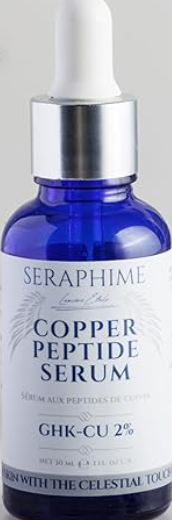
  • Copper peptides (GHK-Cu) (I apply this every day on my skin but also 2x a week, at night, I dermaroll and then apply for deeper penetration)
  • Copper PCA

🟢 Can be used daily
⚠️ May cause temporary tingling or warmth


2. Subcutaneous Copper (Peptides or Trace Copper)

Best for:

  • Systemic healing
  • Connective tissue repair
  • Immune modulation
  • Anti-aging signaling

Often used in cycles, not indefinitely. I have noticed tremendous improvements from taking GHK-CU subcutaneously.


3. Oral Copper (Glycinate, Bisglycinate)

Best for:

  • Correcting deficiency
  • Supporting histamine balance
  • Thyroid and energy support

⚠️ Requires careful dosing and zinc awareness.


Copper & Peptides 🧬

Copper is inseparable from peptide therapy:

  • GHK-Cu literally is copper bound to a peptide
  • Copper enables cellular signaling, repair, and regeneration
  • Many peptide benefits fail without adequate copper

Copper & Autoimmune Health 🛡️

Copper helps:

  • Reduce oxidative stress
  • Balance immune signaling
  • Support gut integrity
  • Lower inflammatory cascades
  • Improve mitochondrial resilience

Copper deficiency often mimics or worsens autoimmune symptoms.


Copper, Weight & Metabolism ⚖️

Copper:

  • Supports mitochondrial fat oxidation
  • Improves insulin signaling
  • Helps regulate thyroid hormones
  • Prevents iron-driven metabolic damage

Low copper = sluggish metabolism, fatigue, and stalled weight loss.


Copper & Sleep 🌙

Copper supports:

  • Nervous system regulation
  • Melatonin production pathways
  • Reduction in nighttime histamine spikes

Copper imbalance can contribute to restless or fragmented sleep, especially in the second half of the night.


Dosage Guidelines (General Ranges) 📏

Oral Copper

  • Typical: 1–3 mg/day
  • Short-term deficiency correction may go higher under guidance

Topical Copper

  • Daily use is common

Subcutaneous Copper / GHK-Cu

  • Often cycled (example: 8–12 weeks on, then a break)

⚠️ Balance with small portions of zinc (sometimes food sources are enough)—never megadose one without the other.


Side Effects & Detox Symptoms ⚠️

Possible (especially when deficient):

  • Temporary nausea
  • Headache
  • Fatigue
  • Warmth or tingling
  • Mild anxiety during rebalancing

These often reflect copper repletion, not toxicity.


Risks of Too Much Copper 🚨

True copper toxicity is rare and usually due to:

  • Genetic disorders (like Wilson’s disease)
  • Industrial exposure
  • Severe imbalance with zinc

Copper becomes problematic when:

  • Zinc is too low
  • Iron is excessive
  • Liver function is impaired

Who Should Be Careful or Avoid Copper? 🚫

  • Wilson’s disease
  • Severe liver disease
  • Active copper overload confirmed by testing

Can You Take Copper Continuously? 🔄

It depends on the form.

  • Topical copper: yes, often continuous
  • Oral copper: usually best cycled or reassessed
  • Injectable/subcutaneous copper: best cycled

Copper works best when respected, not megadosed.


Want to Go Deeper? 📚✨

If you want to go deeper into this topic, the book The Copper Revolution explains why copper is so essential, how modern exposures (including fluoride) can interfere with copper balance, and why deficiency may be far more common than most people realize. It connects many of the dots between metabolism, aging, and chronic symptoms in a way that’s both eye-opening and practical.


Final Thoughts 💭

Copper isn’t trendy. It isn’t heavily marketed. And it doesn’t come with flashy promises.

But it may be one of the missing links in:

  • Histamine intolerance
  • Autoimmune dysfunction
  • Poor skin aging
  • Fatigue
  • Weight resistance
  • Sleep disruption

I personally apply copper topically and also use it subcutaneously, because the results—skin, energy, and resilience—are undeniable.

Copper doesn’t shout.
It restores.