Browsed by
Month: May 2026

Glycine Benefits for Sleep: Deep Rest, Calm, and Recovery

Glycine Benefits for Sleep: Deep Rest, Calm, and Recovery

Glycine: The Sleep-Boosting Amino Acid You Need

Glycine benefits for sleep have made this amino acid increasingly popular for people looking to improve sleep naturally.

This simple amino acid is naturally produced by the body and plays important roles in sleep regulation, collagen production, detoxification, nervous system balance, and overnight recovery.

Many people use glycine to support deeper, more restorative sleep naturally — without the grogginess that often comes with traditional sleep aids.

Because glycine works with the body rather than forcing sedation, it has become one of the most popular natural sleep-support supplements in modern wellness routines.


🌙 Glycine Benefits for Sleep and Recovery

1. Supports Deeper, More Restful Sleep

One of glycine’s best-known benefits is its ability to improve sleep quality naturally.

Research suggests glycine may help you:

  • Fall asleep faster
  • Stay asleep longer
  • Experience deeper sleep
  • Wake feeling more refreshed
  • Reduce next-day fatigue

One reason glycine works so well at night is because it may help lower core body temperature, which signals to the brain that it’s time to sleep.

This natural temperature shift is an important part of healthy sleep cycles.

Because glycine promotes relaxation without acting like a sedative, many people tolerate it extremely well.


2. Helps Calm a Busy Mind 🧠

Glycine acts as an inhibitory neurotransmitter, helping calm activity within the nervous system.

Many people find glycine especially helpful when they struggle with:

  • Nighttime overthinking
  • Mental restlessness
  • Stress-related sleep issues
  • Difficulty winding down before bed
  • Racing thoughts at night

Glycine may also support cognitive balance, memory, and focus, which is one reason some people report feeling mentally clearer the next morning.

Unlike stronger sleep aids, glycine tends to promote calmness gently without making people feel heavily sedated.


3. Supports Detoxification and Liver Health 💚

Glycine is a major building block of glutathione, often called the body’s “master antioxidant.”

Because of this, glycine plays important roles in:

  • Detoxification pathways
  • Reducing oxidative stress
  • Cellular repair and recovery
  • Liver health support
  • Overnight healing processes

The body performs much of its repair and detoxification work during sleep, which is one reason restful sleep is so important for overall health.

When the body recovers more efficiently overnight, sleep quality often improves as well.


4. Supports Collagen, Joints, and Muscle Recovery 💪

Glycine is one of the primary amino acids found in collagen.

This may help support:

  • Healthy joints
  • Skin elasticity
  • Muscle recovery
  • Tendons and connective tissue
  • Healthy aging support

Because glycine helps support connective tissue repair, many people include it in wellness, fitness, and recovery routines.

It may also help support recovery from exercise, stress, and daily wear and tear on the body.


5. Supports Healthy Blood Sugar Balance ⚖️

Some research suggests glycine may help support healthy insulin sensitivity and blood sugar balance.

Balanced blood sugar levels may help reduce nighttime wake-ups that sometimes happen when glucose drops too low during sleep.

Stable overnight blood sugar may also contribute to:

  • More stable energy
  • Fewer stress hormone spikes
  • Better overnight recovery
  • Improved sleep continuity

This is one reason glycine may be especially supportive for people who wake frequently during the night.


🥩 Natural Food Sources of Glycine

Although many people use glycine supplements, glycine is also naturally found in protein-rich foods.

Some of the best food sources include:

  • Collagen
  • Bone broth
  • Gelatin
  • Red meat
  • Skin-on chicken
  • Slow-cooked meats
  • Connective tissue-rich cuts of meat

Traditional diets naturally contained far more glycine because people regularly consumed skin, broth, tendons, and collagen-rich foods.

Modern diets often contain more muscle meat but less connective tissue, which may contribute to lower glycine intake overall.


💊 Glycine Dosage and Timing for Sleep

Typical bedtime dose:

  • 3 grams nightly

When to take it:

  • 30–60 minutes before bed

Common forms:

  • Powder mixed into water or tea
  • Capsules
  • Collagen powders containing glycine

Glycine works especially well at night because it supports nervous system calm while also helping promote the body’s natural sleep temperature shift.

Many people combine glycine with:

  • Magnesium glycinate
  • Tart cherry juice
  • Collagen peptides

for additional sleep and recovery support.


⚠️ Possible Side Effects

Glycine is generally considered very safe and well tolerated.

Possible mild side effects may include:

  • Upset stomach
  • Nausea
  • Soft stools
  • Mild headache

Most people tolerate 3 grams very well, especially when taken with water.


🚫 Who Should Use Caution

Glycine may not be appropriate for:

  • Individuals with severe kidney disease
  • Those with advanced liver disease
  • Pregnant or breastfeeding women due to limited research

For most healthy adults, glycine is considered a gentle, non-sedating sleep support supplement.


✨ Tip for Beginners

If you’re new to glycine, start low:

  • 1–2 grams before bed

Then slowly increase to:

  • 3 grams nightly

Many people notice improvements in sleep quality within just a few nights.

Consistency is often more important than taking large amounts.


🌿 Final Thoughts

Glycine benefits for sleep go far beyond simply helping you feel tired.

This powerful amino acid may help support:

  • Deep, restorative sleep
  • Nervous system calm
  • Overnight recovery
  • Detoxification pathways
  • Collagen production
  • Metabolic balance
  • Healthy aging support

If you’re looking for a gentle, non-sedating way to improve sleep naturally, glycine is one of the simplest and most effective places to start. 🌙✨
The Hidden Risks of Iron Supplements

The Hidden Risks of Iron Supplements

Why I Personally Avoid Iron Supplements

Iron supplements are commonly recommended today, but after doing my own research and paying attention to how my body responds, I personally chose to take a different approach.

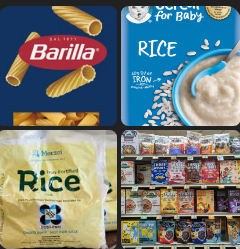
Beyond supplements, iron is also widely added to our food supply. Just look at many cereals, pastas, breads, and baby foods on store shelves today.

Of course, the body still needs iron in proper balance — the concern is excess or unnecessary supplementation.

How Iron Supplements May Feed Pathogens

Iron is strongly linked to the growth of certain bacteria, fungi, and parasites. Many pathogens rely on iron as a fuel source to survive and multiply.

During the COVID era, iron metabolism was also discussed in relation to inflammation, immune response, and illness severity, which made me even more cautious about excess or poorly regulated iron levels.

Of course, the body still needs iron in proper balance. My concern is simply that more is not always better when it comes to supplementation.

The Real Issue May Not Be “Low Iron”

Many people are told they’re anemic because their circulating iron appears low on lab work. But sometimes the issue may not be a true lack of iron.

This is where copper becomes incredibly important.

Copper is essential for proper iron metabolism. It helps transport iron where it needs to go and supports proper incorporation into hemoglobin.

This is one reason I focus more on supporting copper status and overall mineral balance rather than automatically reaching for iron supplements.

Ceruloplasmin Matters Too

Iron also depends on ceruloplasmin, a copper-dependent protein that helps transport and regulate iron safely within the body.

To produce healthy ceruloplasmin, the body relies on key nutrients commonly found in animal foods, including:

  • Liver
  • Egg yolks
  • Dairy fat
  • Seafood

These foods also provide true Vitamin A (retinol), which plays a role in ceruloplasmin production.

Plant foods contain beta carotene rather than true Vitamin A, and many people do not convert beta carotene efficiently.

Foods Commonly Fortified With Iron

One thing that surprised me during my research was how many processed foods are fortified with added iron.

Common examples include:

  • Breakfast cereals
  • Pasta
  • Bread products
  • Baby formula and baby cereals
  • Processed grains and snack foods

For me personally, this raised questions about how much added iron people may already be consuming without realizing it.

Why I Focus on Food First

Instead of relying heavily on isolated supplements, I prefer focusing on nutrient-dense foods that naturally contain supportive minerals and cofactors.

Foods like:

  • Red meat
  • Liver
  • Eggs
  • Seafood
  • Full-fat dairy

provide nutrients together in a more balanced, bioavailable form.

To me, the body seems to respond best when nutrients come packaged the way nature designed them.

My Personal Approach

For me, this isn’t about chasing lab numbers or following standard supplement advice.

It’s about supporting the body the way it was designed to work — looking at mineral balance, nutrient relationships, and real food instead of isolated high-dose supplements.

I’m not saying iron is never needed. There are situations where it absolutely might be.

But routine iron supplementation without considering the full mineral balance is something I personally choose not to do.

The Bigger Picture

The body works in systems, and minerals work together in balance rather than in isolation.

When one nutrient is pushed too high without its supporting partners, imbalance can happen quickly.

For me, the focus is:

  • Supporting copper
  • Supporting ceruloplasmin
  • Eating nutrient-dense, bioavailable foods
  • Being cautious with fortified foods
  • Questioning “one size fits all” supplement advice

Final Thoughts

I’m simply sharing the perspective and research that shaped my personal approach.

For me, focusing on nutrient balance, bioavailable foods, and supporting the body naturally has made far more sense than automatically adding more iron supplements.

My 80% Carnivore Diet Meal Plan for Weight Loss

My 80% Carnivore Diet Meal Plan for Weight Loss

When I say I follow an 80% carnivore diet, people usually ask

“How do you do that?”

So I thought I’d share a peek into my daily eating rhythm – along with a full 7-day sample menu – to inspire you to listen to your body and discover what truly works for you. 💛


My Simple 80% Carnivore Diet Meal Plan

First things first:

You are the expert on your own body. 🙌

If something doesn’t feel right, don’t force it. Eat in a way that supports how you feel best.

For me, I eat when I’m hungry, but I rarely eat breakfast. ☀️

Depending on what I ate the day before, I often don’t eat until noon or later, which means I usually only eat two meals a day… and I always feel satisfied.

I’ve noticed something interesting:

On days I eat lighter proteins – like chicken or fish – I’m often hungrier the next day. 🍗🐟

That’s why I aim for red meat daily. It’s deeply nourishing, stabilizing, and keeps me full for hours.

And yes, I still love breakfast foods… I just eat them at lunch or dinner. 🥓🍳


🧠 Quieting the “Food Noise”

A lot of what we call hunger isn’t our body asking for food…

It’s food noise in the brain.

Sometimes it’s:

  • boredom
  • emotions
  • habit
  • cravings from blood sugar swings

When you eat nutrient-dense, satisfying foods — especially red meat 🥩 — that noise often quiets down.

You feel calmer, clearer, and surprisingly full with less.


🍟 CHEATS (Because Balance Matters!)

Yes, I absolutely have them, but they’re never extreme. 😉

Sometimes I’ll steal a few French fries from my husband Mark’s plate 🍟❤️
Or enjoy a creamy restaurant sauce that probably isn’t “perfect.”

I live about:

  • 80% carnivore
  • 10% ketovore
  • 10% wiggle room — always in moderation

🗓️ My 7-Day Sample Menu

Here’s an example of what a typical week looks like for me:


Day 1

🍳 Lunch: Sausage balls + sunny-side-up eggs with cheese, salt & pepper
🌮 Dinner: Leftovers from Mexican night


Day 2

🍔 Lunch: Hamburger patty with cheese + mayonnaise
🥗 Dinner: Creamy chicken salad with pesto + cottage cheese


Day 3

🍳 Lunch: Baked sausage casserole + scrambled eggs with cheese
🍽️ Dinner: Date night — chicken or fish with a vegetable


Day 4

🍳 Lunch: Chicken balls + egg smothered in Swiss cheese
🥩 Dinner: Garlic-rubbed steak


Day 5

🍳 Lunch: Sausage casserole + a cheesy omelette
🐟 Dinner: Chicken or fish with a vegetable


Day 6

🥫 Lunch: Tuna salad
🌮 Dinner: Mexican restaurant night – carne asada or pollo asada with guacamole & sour cream
(And yes… chips & salsa!)


Day 7

🍽️ Whatever I decide to cook — usually something simple, nourishing, and healthy
(I often share recipes here.)


🧀 Snack Ideas (Rarely — Maybe Once a Week)

I don’t snack often, but occasionally I’ll have:

  • Cheese
  • Nuts
  • Frozen blueberries mixed into cottage cheese or yogurt
  • A few squares of Trader Joe’s dark chocolate 🍫

💫 Final Thoughts

This may look like a small amount of food…

But I promise, I’m always full.

The key isn’t how much you eat.

The key is what you eat.

When you fuel your body with high-quality, nutrient-rich foods, it naturally finds balance, satisfaction, and steadiness.

Eating mostly carnivore doesn’t have to be complicated.

It’s simply about:

  • Listening to your body
  • Eating foods that truly satisfy
  • Experimenting until you find your perfect rhythm 🥩✨

BPC-157 Benefits: Gut Healing, Recovery, and Tissue Repair

BPC-157 Benefits: Gut Healing, Recovery, and Tissue Repair

🧬 BPC-157: Benefits, Uses, and What to Know

BPC-157 (Body Protection Compound-157) is a peptide that has gained significant attention in the wellness world for its potential role in recovery, gut health, and tissue repair.

It is a synthetic peptide derived from a protective protein naturally found in gastric juice and is often discussed for its possible:

  • Tissue-repairing properties
  • Anti-inflammatory effects
  • Whole-body recovery support

BPC-157 is commonly explored for injury recovery, digestive support, and nervous system health. It may be used orally or through subcutaneous injection (just under the skin), depending on individual goals and preferences.

Most current research on BPC-157 comes from animal and preclinical studies, and human research is still limited.


🧬 What BPC-157 May Support

1. Tissue Repair and Recovery

BPC-157 is widely studied for its potential role in supporting the body’s natural recovery processes involving:

  • Muscles
  • Tendons
  • Ligaments
  • Nerves
  • The gut lining

Some research suggests it may help by:

  • Encouraging healthy blood flow to affected areas
  • Assisting collagen production
  • Supporting strength and flexibility during recovery

Because of this, many individuals explore BPC-157 for exercise recovery, joint discomfort, and soft tissue support.


2. Gut Health and Digestive Support

BPC-157 is frequently associated with digestive wellness and gut integrity.

It may help support:

  • The intestinal lining
  • Occasional digestive irritation
  • Overall digestive balance

Healthy gut function plays an important role in overall health so gut integrity may have broader wellness impact such as immune health, which is one reason BPC-157 continues to generate interest.

Oral forms are commonly explored for digestive support, while injectable forms are often discussed for broader systemic recovery.


3. Healthy Inflammatory Response

Emerging research suggests BPC-157 may help maintain a healthy inflammatory response.

This may be beneficial for:

  • Recovery after physical strain
  • General joint and muscle comfort
  • Supporting the body’s natural healing processes

Many users are interested in BPC-157 because inflammation balance can influence mobility, recovery, and overall comfort.


4. Nervous System Support

BPC-157 is also being explored for its potential role in nervous system health.

Some findings suggest it may:

  • Support nerve repair processes
  • Help protect cells from oxidative stress
  • Assist recovery following physical stress or irritation

Although research is still developing, this area continues to attract attention.


💪 Commonly Reported Benefits

Some individuals who use BPC-157 report:

  • Faster recovery after exercise or injury
  • Improved joint and muscle comfort
  • Better digestion
  • Increased flexibility and mobility
  • Enhanced overall resilience and recovery

Individual experiences can vary.


✨ My Experience

I have only used subcutaneous BPC-157 and personally noticed a significant improvement in an ongoing shoulder issue that had been affecting my sleep and mobility.

After consistent use, I experienced:

  • Reduced discomfort
  • Improved range of motion
  • Better overall comfort

I also personally noticed improved focus and mental sharpness during use.

In the future, I plan to explore combining both oral and subcutaneous forms.


⚖️ Dosage and Use (General Information)

FormTypical DoseHow to UseCommon Duration
Injectable (Subcutaneous)200–500 mcg dailyInject near the area of concern or abdomen2–4 weeks (recovery support)
Oral (Capsule or Liquid)250–500 mcg, once or twice dailyTake on an empty stomach6–8 weeks (digestive support)

💡 Some individuals choose to combine oral and injectable forms for broader support.


⚠️ Possible Side Effects

BPC-157 is generally reported as well tolerated, though some individuals may experience:

  • Mild fatigue or lightheadedness
  • Temporary redness at the injection site
  • Sensations in previously affected areas during recovery

Experiences can vary depending on the individual and dosage used.


🚫 Use With Caution

BPC-157 may not be appropriate for everyone. Use caution if:

  • You have a history of cancer (due to potential effects on blood vessel formation)
  • You are pregnant or breastfeeding
  • You are using medications that affect the immune system or blood clotting

📚 Research Overview

Most current studies involving BPC-157 are animal-based or preclinical studies.

Research has shown promising potential in areas such as:

  • Tissue repair
  • Gut health
  • Recovery support
  • Inflammation balance

However, large-scale human studies are still limited, and more research is needed to better understand long-term effects, safety, and effectiveness.


✨ Final Thoughts

BPC-157 is a peptide that continues to generate interest for its potential role in recovery, gut health, and overall wellness support.

While research is still evolving, many individuals explore BPC-157 as part of a broader approach to supporting mobility, recovery, and quality of life.

As with many wellness peptides, individual experiences can vary.

Note: This article is for informational purposes only and is not intended as medical advice.