The Regenerative Molecules That Decline as We Age – Healthy Aging
Aging isn’t just about wrinkles, gray hair, or slowing down—it’s about the gradual fading of the body’s natural repair systems. Healthy aging is possible with some understanding.
Much of that change happens because our bodies produce fewer peptides—tiny chains of amino acids that act as molecular messengers. Think of them as text messages between your cells, telling them when to repair, regenerate, heal, and restore.
These powerful messengers influence nearly every aspect of healthy aging, including:
✨ Energy production
🛡️ Immune function
💪 Muscle maintenance
😴 Deep sleep
💎 Skin repair
⚖️ Metabolism
🧠 Brain function
But peptides aren’t the whole story.
Other important compounds also decline with age—including NAD⁺, the coenzyme that powers your cells, and creatine, which helps fuel your muscles and brain. Together, these changes contribute to many of the symptoms we commonly associate with aging.
Let’s explore some of the body’s most important regenerative molecules—and why they matter.
📋 At a Glance
| 🧬 Molecule | ❤️ What It Does | 📉 What Happens With Age |
|---|---|---|
| Growth Hormone Peptides | Muscle repair, metabolism, recovery | Growth hormone signaling declines |
| Thymic Peptides | Immune balance and healing | Thymus shrinks and peptide production decreases |
| Mitochondrial Peptides | Cellular energy and metabolism | Energy production becomes less efficient |
| NAD⁺ (Not a Peptide) | Cellular energy & DNA repair | Levels steadily decline |
| Pineal Peptides | Sleep and circadian rhythm | Nighttime repair signals weaken |
| GHK-Cu | Collagen and tissue repair | Levels drop dramatically after our mid-20s |
| Neuropeptides | Sleep, stress, recovery | Nervous system signaling changes |
| IGF-1 | Muscle growth and repair | Production gradually decreases |
| Creatine (Not a Peptide) | Muscle and brain energy | Production and muscle stores often decline |
🧬 1. Growth Hormone–Releasing Peptides
Examples: CJC-1295, Ipamorelin, Sermorelin
These peptides encourage your body to produce its own growth hormone—one of the most powerful repair signals in the body.
As we get older, the signaling pathways involving Growth Hormone Releasing Hormone (GHRH) and ghrelin become less active, leading to lower growth hormone production.
Over time this may contribute to:
✔️ Slower recovery
✔️ Increased body fat
✔️ Reduced lean muscle
✔️ Less efficient tissue repair
✨ Result: Metabolism slows, muscle becomes harder to maintain, and the body’s ability to regenerate gradually declines.
🛡️ 2. Thymic Peptides
Examples: Thymosin Alpha-1, Thymosin Beta-4
The thymus is often called the training center of the immune system.
Unfortunately, it naturally shrinks as we age.
As it does, important immune-regulating peptides decline, including:
🦠 Thymosin Alpha-1 – supports immune defense and healthy immune balance
❤️ Thymosin Beta-4 – supports tissue repair and healing
✨ Result: Reduced immune resilience, more inflammation, and slower healing.
⚡ 3. Mitochondrial Peptides
Examples: MOTS-C, Humanin
These fascinating peptides are produced inside your mitochondria—the tiny power plants that generate energy for every cell.
They help regulate:
⚡ Cellular energy
🔥 Fat metabolism
🩸 Insulin sensitivity
🛡️ Protection from oxidative stress
Their natural levels decline with age.
✨ Result: Lower energy, reduced metabolic flexibility, increased insulin resistance, and less cellular resilience.
🔋 4. NAD⁺ (Not a Peptide)
Although NAD⁺ (nicotinamide adenine dinucleotide) isn’t a peptide, it is one of the most important molecules involved in healthy aging.
Think of NAD⁺ as the spark plug that helps power nearly every cell in your body. It participates in hundreds of biochemical reactions every second and is essential for keeping your cells functioning efficiently.
NAD⁺ supports:
⚡ Cellular energy production
🧬 DNA repair
🔋 Healthy mitochondrial function
🛡️ Protection against oxidative stress
🧪 Activation of sirtuins—proteins involved in healthy aging and cellular maintenance
🧠 Brain energy and cognitive function, including memory, focus, and healthy communication between nerve cells
As we age, NAD⁺ levels naturally decline throughout the body, including in the brain.
✨ Result: Lower energy, slower cellular repair, reduced mental clarity, diminished resilience, and less efficient metabolism.
🌙 5. Pineal Peptides
Example: Epitalon
Epitalon is associated with the pineal gland—the tiny gland that helps regulate your body’s internal clock.
It plays a role in:
🌙 Healthy sleep cycles
🧬 DNA repair
⏳ Telomere maintenance
💤 Circadian rhythm regulation
As pineal function declines with age, nighttime repair signals become less robust.
✨ Result: Poorer sleep, hormonal changes, and accelerated aging.
💎 6. Collagen & Skin Repair Peptides
Example: GHK-Cu
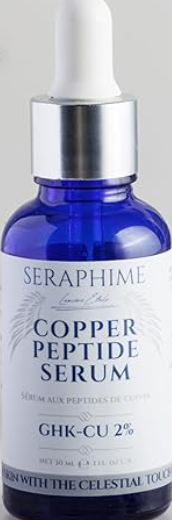
GHK-Cu is one of the body’s most remarkable regenerative peptides.
It helps support:
💎 Collagen production
✨ Skin elasticity
❤️ Tissue repair
🛡️ Healthy inflammatory signaling
Natural GHK-Cu levels drop dramatically after our mid-20s.
✨ Result: Thinner skin, slower healing, and more visible signs of aging.
😴 7. Neuropeptides
Examples: DSIP, VIP
Neuropeptides help cells communicate throughout the nervous system.
They influence:
😴 Deep sleep
🧘 Stress response
❤️ Blood flow
🔄 Recovery
As these signaling molecules decline, restorative sleep often becomes more difficult.
✨ Result: Lighter sleep, more fatigue, slower recovery, and increased stress sensitivity.
💪 8. Muscle Repair & Recovery Peptides
Example: IGF-1 (Insulin-like Growth Factor-1)
IGF-1 works alongside growth hormone to support:
💪 Muscle maintenance
🦴 Bone health
❤️ Tissue repair
🏃 Exercise recovery
Natural IGF-1 production gradually decreases with age.
✨ Result: Muscle loss, reduced strength, slower healing, and decreased endurance.
⚡ 9. Creatine (Not a Peptide)
Creatine isn’t a peptide, but it’s another important molecule that changes with age.
While your body continues to make creatine throughout life, production may decrease, muscle stores often decline, and many people consume less through diet as they get older.
Creatine helps rapidly regenerate ATP—the body’s main energy source.
It supports:
💪 Muscle strength
⚡ Physical power
🧠 Brain energy
🏃 Exercise recovery
❤️ Healthy aging of muscle tissue
✨ Result: Reduced strength, increased fatigue, slower recovery, and greater age-related muscle loss.
🌿 How These Changes Affect Healthy Aging
💚 Immune Balance
Thymic peptides such as Thymosin Alpha-1 and Thymosin Beta-4 help coordinate healthy immune responses while supporting tissue repair.
A healthy immune system becomes increasingly important as we age.
💤 Sleep & Nighttime Repair
Peptides like Epitalon and DSIP help support healthy circadian rhythms and restorative sleep.
Quality sleep remains one of the body’s most powerful tools for healing, hormone balance, immune health, and overall vitality.
⚖️ Energy & Metabolism
Several age-related changes work together to influence metabolism.
Growth hormone peptides, mitochondrial peptides, NAD⁺, and creatine all help support:
🔥 Healthy metabolism
⚡ Cellular energy
💪 Lean muscle
🩸 Insulin sensitivity
🏃 Physical performance
Supporting these pathways may help maintain energy and vitality throughout life.
✨ The Takeaway
Aging isn’t caused by one single change.
It’s the gradual quieting of an incredible network of molecules that once kept your body repairing, renewing, and thriving.
🧬 Peptides act as the body’s messengers.
⚡ NAD⁺ helps power every cell.
💪 Creatine fuels your muscles and brain.
Together, they influence how well you heal, sleep, think, move, and age.
The encouraging news is that understanding these natural changes gives us new opportunities to support healthy aging through nutrition, exercise, quality sleep, and emerging therapies that work with the body’s own regenerative systems.
Your body was designed to repair itself. While many of these natural signals gradually decline with age, supporting them may help you maintain strength, energy, resilience, and vitality for years to come.