Browsed by
Category: Autoimmune

Natural approaches to supporting the body through autoimmune symptoms using nutrition, lifestyle habits, mineral balance, nervous system support, and healing-focused wellness strategies.

Why Normal Test Results Don’t Always Mean You’re Healthy

Why Normal Test Results Don’t Always Mean You’re Healthy

Why Normal Test Results Don’t Always Mean You’re Healthy (And What Truly Healed Me Instead)

Have you ever felt drained, achy, inflamed, or just off — only to have your doctor tell you that everything looks normal after running test after test? 😩

You walk out thinking:

If everything is fine… then why do I feel so bad?

I’ve been there. Many of us have.

Modern medicine often relies so heavily on lab work that it forgets something important:

There is a real person sitting in front of the paperwork — someone who lives inside their body every single day.

And when you’re told it’s “all in your head,” it’s not just frustrating…

It’s heartbreaking. 💔


💬 The Day My Healing Journey Changed

When I finally went to see a functional doctor, I arrived with a huge folder full of past test results 📁.

I was ready to go through every page, thinking it would help him understand my “complicated case.”

But instead, he smiled and said something that completely shocked me:

“I don’t need to see your tests. I just want to hear how you feel.”

WOW. 😲

For the first time, a doctor cared more about me than my numbers.

He wanted to understand my symptoms, my patterns, my body — not just what a lab report said.

That moment changed everything.


🦋 The Truth About Labels and Healing

Over the years, I learned something powerful — something I wish every woman knew:

So many diagnoses are just different labels for the same root imbalance.

I had multiple autoimmune conditions, all with different names and “treatments.”

But guess what?

Every single one responded to the same approach:

Healing my gut. 🩵

No matter what label I was given, my body began to recover when I focused on restoring internal balance.

I didn’t need another test.

I needed nourishment. Repair. Support.


🌸 Listening to Your Body Is the Real Test

Most of the time, you don’t need a lab report to tell you that something is wrong.

Your body speaks clearly through:

  • Fatigue
  • Inflammation
  • Pain
  • Digestive issues
  • Brain fog
  • Skin flares
  • Restlessness

These are not failures.

They are clues. 🕵️‍♀️

When you respond with the right food, gentle supplements, nervous system support, and time…

The body can heal.

God designed our bodies with an incredible ability to return to homeostasis when given the chance.


💖 You Don’t Need Permission to Heal

So the next time someone says, “Your tests are fine,” remember this:

👉 You don’t need permission from a lab report to start feeling better.
👉 You don’t need a label to begin your healing journey.
👉 You are the best expert on your own body.

Tests can offer information — but they never tell the whole story.


✨ Final Thoughts

True healing doesn’t begin with paperwork.

It begins when you listen to the quiet voice inside — the one that has been telling you all along what your body truly needs.

And I’ll be sharing more about how you can make that happen. 💛

The Hidden Risks of Iron Supplements

The Hidden Risks of Iron Supplements

Why I Personally Avoid Iron Supplements

Iron supplements are commonly recommended today, but after doing my own research and paying attention to how my body responds, I personally chose to take a different approach.

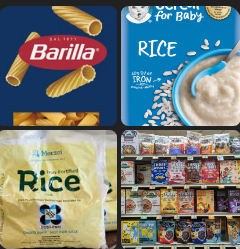
Beyond supplements, iron is also widely added to our food supply. Just look at many cereals, pastas, breads, and baby foods on store shelves today.

Of course, the body still needs iron in proper balance — the concern is excess or unnecessary supplementation.

How Iron Supplements May Feed Pathogens

Iron is strongly linked to the growth of certain bacteria, fungi, and parasites. Many pathogens rely on iron as a fuel source to survive and multiply.

During the COVID era, iron metabolism was also discussed in relation to inflammation, immune response, and illness severity, which made me even more cautious about excess or poorly regulated iron levels.

Of course, the body still needs iron in proper balance. My concern is simply that more is not always better when it comes to supplementation.

The Real Issue May Not Be “Low Iron”

Many people are told they’re anemic because their circulating iron appears low on lab work. But sometimes the issue may not be a true lack of iron.

This is where copper becomes incredibly important.

Copper is essential for proper iron metabolism. It helps transport iron where it needs to go and supports proper incorporation into hemoglobin.

This is one reason I focus more on supporting copper status and overall mineral balance rather than automatically reaching for iron supplements.

Ceruloplasmin Matters Too

Iron also depends on ceruloplasmin, a copper-dependent protein that helps transport and regulate iron safely within the body.

To produce healthy ceruloplasmin, the body relies on key nutrients commonly found in animal foods, including:

  • Liver
  • Egg yolks
  • Dairy fat
  • Seafood

These foods also provide true Vitamin A (retinol), which plays a role in ceruloplasmin production.

Plant foods contain beta carotene rather than true Vitamin A, and many people do not convert beta carotene efficiently.

Foods Commonly Fortified With Iron

One thing that surprised me during my research was how many processed foods are fortified with added iron.

Common examples include:

  • Breakfast cereals
  • Pasta
  • Bread products
  • Baby formula and baby cereals
  • Processed grains and snack foods

For me personally, this raised questions about how much added iron people may already be consuming without realizing it.

Why I Focus on Food First

Instead of relying heavily on isolated supplements, I prefer focusing on nutrient-dense foods that naturally contain supportive minerals and cofactors.

Foods like:

  • Red meat
  • Liver
  • Eggs
  • Seafood
  • Full-fat dairy

provide nutrients together in a more balanced, bioavailable form.

To me, the body seems to respond best when nutrients come packaged the way nature designed them.

My Personal Approach

For me, this isn’t about chasing lab numbers or following standard supplement advice.

It’s about supporting the body the way it was designed to work — looking at mineral balance, nutrient relationships, and real food instead of isolated high-dose supplements.

I’m not saying iron is never needed. There are situations where it absolutely might be.

But routine iron supplementation without considering the full mineral balance is something I personally choose not to do.

The Bigger Picture

The body works in systems, and minerals work together in balance rather than in isolation.

When one nutrient is pushed too high without its supporting partners, imbalance can happen quickly.

For me, the focus is:

  • Supporting copper
  • Supporting ceruloplasmin
  • Eating nutrient-dense, bioavailable foods
  • Being cautious with fortified foods
  • Questioning “one size fits all” supplement advice

Final Thoughts

I’m simply sharing the perspective and research that shaped my personal approach.

For me, focusing on nutrient balance, bioavailable foods, and supporting the body naturally has made far more sense than automatically adding more iron supplements.

BPC-157 Benefits: Gut Healing, Recovery, and Tissue Repair

BPC-157 Benefits: Gut Healing, Recovery, and Tissue Repair

🧬 BPC-157: Benefits, Uses, and What to Know

BPC-157 (Body Protection Compound-157) is a peptide that has gained significant attention in the wellness world for its potential role in recovery, gut health, and tissue repair.

It is a synthetic peptide derived from a protective protein naturally found in gastric juice and is often discussed for its possible:

  • Tissue-repairing properties
  • Anti-inflammatory effects
  • Whole-body recovery support

BPC-157 is commonly explored for injury recovery, digestive support, and nervous system health. It may be used orally or through subcutaneous injection (just under the skin), depending on individual goals and preferences.

Most current research on BPC-157 comes from animal and preclinical studies, and human research is still limited.


🧬 What BPC-157 May Support

1. Tissue Repair and Recovery

BPC-157 is widely studied for its potential role in supporting the body’s natural recovery processes involving:

  • Muscles
  • Tendons
  • Ligaments
  • Nerves
  • The gut lining

Some research suggests it may help by:

  • Encouraging healthy blood flow to affected areas
  • Assisting collagen production
  • Supporting strength and flexibility during recovery

Because of this, many individuals explore BPC-157 for exercise recovery, joint discomfort, and soft tissue support.


2. Gut Health and Digestive Support

BPC-157 is frequently associated with digestive wellness and gut integrity.

It may help support:

  • The intestinal lining
  • Occasional digestive irritation
  • Overall digestive balance

Healthy gut function plays an important role in overall health so gut integrity may have broader wellness impact such as immune health, which is one reason BPC-157 continues to generate interest.

Oral forms are commonly explored for digestive support, while injectable forms are often discussed for broader systemic recovery.


3. Healthy Inflammatory Response

Emerging research suggests BPC-157 may help maintain a healthy inflammatory response.

This may be beneficial for:

  • Recovery after physical strain
  • General joint and muscle comfort
  • Supporting the body’s natural healing processes

Many users are interested in BPC-157 because inflammation balance can influence mobility, recovery, and overall comfort.


4. Nervous System Support

BPC-157 is also being explored for its potential role in nervous system health.

Some findings suggest it may:

  • Support nerve repair processes
  • Help protect cells from oxidative stress
  • Assist recovery following physical stress or irritation

Although research is still developing, this area continues to attract attention.


💪 Commonly Reported Benefits

Some individuals who use BPC-157 report:

  • Faster recovery after exercise or injury
  • Improved joint and muscle comfort
  • Better digestion
  • Increased flexibility and mobility
  • Enhanced overall resilience and recovery

Individual experiences can vary.


✨ My Experience

I have only used subcutaneous BPC-157 and personally noticed a significant improvement in an ongoing shoulder issue that had been affecting my sleep and mobility.

After consistent use, I experienced:

  • Reduced discomfort
  • Improved range of motion
  • Better overall comfort

I also personally noticed improved focus and mental sharpness during use.

In the future, I plan to explore combining both oral and subcutaneous forms.


⚖️ Dosage and Use (General Information)

FormTypical DoseHow to UseCommon Duration
Injectable (Subcutaneous)200–500 mcg dailyInject near the area of concern or abdomen2–4 weeks (recovery support)
Oral (Capsule or Liquid)250–500 mcg, once or twice dailyTake on an empty stomach6–8 weeks (digestive support)

💡 Some individuals choose to combine oral and injectable forms for broader support.


⚠️ Possible Side Effects

BPC-157 is generally reported as well tolerated, though some individuals may experience:

  • Mild fatigue or lightheadedness
  • Temporary redness at the injection site
  • Sensations in previously affected areas during recovery

Experiences can vary depending on the individual and dosage used.


🚫 Use With Caution

BPC-157 may not be appropriate for everyone. Use caution if:

  • You have a history of cancer (due to potential effects on blood vessel formation)
  • You are pregnant or breastfeeding
  • You are using medications that affect the immune system or blood clotting

📚 Research Overview

Most current studies involving BPC-157 are animal-based or preclinical studies.

Research has shown promising potential in areas such as:

  • Tissue repair
  • Gut health
  • Recovery support
  • Inflammation balance

However, large-scale human studies are still limited, and more research is needed to better understand long-term effects, safety, and effectiveness.


✨ Final Thoughts

BPC-157 is a peptide that continues to generate interest for its potential role in recovery, gut health, and overall wellness support.

While research is still evolving, many individuals explore BPC-157 as part of a broader approach to supporting mobility, recovery, and quality of life.

As with many wellness peptides, individual experiences can vary.

Note: This article is for informational purposes only and is not intended as medical advice.

Noni Benefits: Complete Guide for Health, Weight & Sleep 🍃

Noni Benefits: Complete Guide for Health, Weight & Sleep 🍃

Noni Benefits: A Simple Guide for Immune, Sleep & Wellness 🍃

Noni (Morinda citrifolia) is gaining attention for its ability to support immune balance, reduce inflammation, and improve overall vitality. Traditionally used for centuries, noni fruit—especially in juice form—is now a popular addition to wellness routines for those looking to support metabolism, sleep, and autoimmune health naturally.

If you’re looking for a gentle, non-sedating way to support your body, noni may be worth adding—when used correctly.


What Is Noni? 🌿

Noni is a tropical fruit grown in regions like Hawaii and Southeast Asia. It’s commonly used in:

  • Juice (most popular)
  • Capsules or powder
  • Fermented extracts

Key compounds in noni include:

  • Antioxidants
  • Iridoids
  • Vitamin C
  • Polyphenols

These compounds are what give noni its anti-inflammatory and cellular-support benefits.


Noni Benefits for Health ✨

Immune & Autoimmune Support 🛡️

  • Helps calm inflammation and immune overactivity
  • Supports cellular repair and reduces oxidative stress
  • May help support balance in autoimmune conditions

Sleep & Nervous System Support 😴

  • Traditionally used to promote relaxation
  • May support serotonin pathways
  • Helps calm the body without making you feel overly sedated

General Wellness 🌟

  • Supports natural detox pathways
  • May improve skin clarity and overall vitality
  • Helps reduce signs of oxidative stress (aging support)

My Experience With Noni 💬

My functional doctor recommended noni when I was healing from autoimmune issues. I noticed the anti-inflammatory effects fairly quickly.

Now, I use noni periodically when I feel run down or want a gentle boost in overall well-being. It’s one of those simple things that seems to support the body without being overwhelming.


How to Take Noni (Dosage) 🥄

Juice

  • Typical dose: 1–2 oz daily
  • Start with 1 oz to assess tolerance

Capsules

  • 500–1000 mg daily, depending on the brand. I typically take one of these.

Best Time to Take

  • Morning on an empty stomach for best absorption

Can You Take Noni Continuously? 🔄

  • Yes, many people take noni daily
  • For best results, consider cycling:
    • 8–12 weeks on
    • 2–4 weeks off

Cycling may help your body stay responsive to its benefits. I sometimes take it for a week and then not again until I feel I need it.


Side Effects & Risks ⚠️

Noni is generally well tolerated, but some people may experience:

  • Mild digestive upset (especially at higher doses)
  • Occasional headaches (often temporary)
  • Higher potassium intake

Who Should NOT Take Noni 🚫

  • Those with kidney issues (due to potassium levels)
  • People taking potassium-sparing medications
  • Individuals with liver concerns
  • Pregnant or breastfeeding women

Final Thoughts 🌿

Noni is a simple, natural addition that may support immune balance, reduce inflammation, and promote better energy and sleep.

It works best when used consistently, at the right dose, and as part of a well-rounded routine.

Copper Deficiency Symptoms Why This Mineral Matters For Histamine, Healing and Longevity🧲✨

Copper Deficiency Symptoms Why This Mineral Matters For Histamine, Healing and Longevity🧲✨

Copper may be one of the most critical minerals for human health, yet it’s also one of the most depleted. Skin, energy, immune balance, histamine control, connective tissue, mitochondrial health—copper quietly touches all of it.

And yet… almost no one talks about copper deficiency.

Why Are So Many People Copper Deficient? ⚠️

Copper deficiency isn’t accidental—it’s created. Many common nutrients and modern practices block, antagonize, or deplete copper:

  • Iron blocks copper absorption
    Iron bioaccumulates, is difficult to detox, and correlates with oxidative stress and early disease—largely because it antagonizes copper.
  • Vitamin A depletes copper
  • High-dose Niacin (B3) blocks copper
  • Magnesium over ~1,000 mg/day blocks copper
  • Excess zinc (especially ratios ≥15:1 zinc:copper)
    Even zinc denture creams have caused severe neurodegenerative damage by inducing copper deficiency.
  • Vitamin C over 3,000 mg/day blocks copper
  • Calcium blocks copper and magnesium
    Calcium without copper keeps calcium out of bones and stuck in soft tissues, contributing to arthritis, calcification, and stiffness.
  • Vitamin D
    While promoted for bone health, excess D can retain calcium in soft tissues, contributing to bone spurs, arterial calcification, kidney stones, gallstones—and yes, it also blocks copper.

No wonder copper deficiency is everywhere.


What Does Copper Actually Do? 🔥

Copper isn’t optional—it’s foundational.

Core Benefits of Copper 🌿

  • Activates mitochondrial energy production
  • Supports iron metabolism (without copper, iron becomes toxic)
  • Builds collagen, elastin, and connective tissue
  • Supports brain and nervous system health
  • Essential for antioxidant enzymes (like SOD)
  • Regulates histamine and mast cell activation
  • Supports immune balance and pathogen defense
  • Required for thyroid function
  • Critical for skin, hair pigmentation, and anti-aging

Copper & Histamine 🌊

Copper helps:

  • Degrade excess histamine
  • Stabilize mast cells
  • Reduce pseudo-allergic reactions
  • Support hydration and electrolyte balance

Low copper often shows up as:

  • Flushing
  • Itching
  • Anxiety
  • Tongue tingling
  • Afternoon fatigue
  • “Dry but not thirsty” sensations

Copper for Skin & Anti-Aging 🧴✨

Copper peptides (especially GHK-Cu) are legendary for a reason:

  • Increases collagen and elastin
  • Improves skin thickness and elasticity
  • Accelerates wound healing
  • Reduces inflammation
  • Signals skin regeneration

This is why copper is used topicallysubcutaneously, and systemically.


Forms of Copper (and How They’re Used) 💉🧴💊

1. Topical Copper (Creams, Serums, Peptides)

Best for:

  • Skin rejuvenation
  • Scalp and hair health
  • Local inflammation
  • Anti-aging

Common forms:

  • Copper peptides (GHK-Cu) (I apply this every day on my skin but also 2x a week, at night, I dermaroll and then apply for deeper penetration)
  • Copper PCA

🟢 Can be used daily
⚠️ May cause temporary tingling or warmth


2. Subcutaneous Copper (Peptides or Trace Copper)

Best for:

  • Systemic healing
  • Connective tissue repair
  • Immune modulation
  • Anti-aging signaling

Often used in cycles, not indefinitely. I have noticed tremendous improvements from taking GHK-CU subcutaneously.


3. Oral Copper (Glycinate, Bisglycinate)

Best for:

  • Correcting deficiency
  • Supporting histamine balance
  • Thyroid and energy support

⚠️ Requires careful dosing and zinc awareness.


Copper & Peptides 🧬

Copper is inseparable from peptide therapy:

  • GHK-Cu literally is copper bound to a peptide
  • Copper enables cellular signaling, repair, and regeneration
  • Many peptide benefits fail without adequate copper

Copper & Autoimmune Health 🛡️

Copper helps:

  • Reduce oxidative stress
  • Balance immune signaling
  • Support gut integrity
  • Lower inflammatory cascades
  • Improve mitochondrial resilience

Copper deficiency often mimics or worsens autoimmune symptoms.


Copper, Weight & Metabolism ⚖️

Copper:

  • Supports mitochondrial fat oxidation
  • Improves insulin signaling
  • Helps regulate thyroid hormones
  • Prevents iron-driven metabolic damage

Low copper = sluggish metabolism, fatigue, and stalled weight loss.


Copper & Sleep 🌙

Copper supports:

  • Nervous system regulation
  • Melatonin production pathways
  • Reduction in nighttime histamine spikes

Copper imbalance can contribute to restless or fragmented sleep, especially in the second half of the night.


Dosage Guidelines (General Ranges) 📏

Oral Copper

  • Typical: 1–3 mg/day
  • Short-term deficiency correction may go higher under guidance

Topical Copper

  • Daily use is common

Subcutaneous Copper / GHK-Cu

  • Often cycled (example: 8–12 weeks on, then a break)

⚠️ Balance with small portions of zinc (sometimes food sources are enough)—never megadose one without the other.


Side Effects & Detox Symptoms ⚠️

Possible (especially when deficient):

  • Temporary nausea
  • Headache
  • Fatigue
  • Warmth or tingling
  • Mild anxiety during rebalancing

These often reflect copper repletion, not toxicity.


Risks of Too Much Copper 🚨

True copper toxicity is rare and usually due to:

  • Genetic disorders (like Wilson’s disease)
  • Industrial exposure
  • Severe imbalance with zinc

Copper becomes problematic when:

  • Zinc is too low
  • Iron is excessive
  • Liver function is impaired

Who Should Be Careful or Avoid Copper? 🚫

  • Wilson’s disease
  • Severe liver disease
  • Active copper overload confirmed by testing

Can You Take Copper Continuously? 🔄

It depends on the form.

  • Topical copper: yes, often continuous
  • Oral copper: usually best cycled or reassessed
  • Injectable/subcutaneous copper: best cycled

Copper works best when respected, not megadosed.


Want to Go Deeper? 📚✨

If you want to go deeper into this topic, the book The Copper Revolution explains why copper is so essential, how modern exposures (including fluoride) can interfere with copper balance, and why deficiency may be far more common than most people realize. It connects many of the dots between metabolism, aging, and chronic symptoms in a way that’s both eye-opening and practical.


Final Thoughts 💭

Copper isn’t trendy. It isn’t heavily marketed. And it doesn’t come with flashy promises.

But it may be one of the missing links in:

  • Histamine intolerance
  • Autoimmune dysfunction
  • Poor skin aging
  • Fatigue
  • Weight resistance
  • Sleep disruption

I personally apply copper topically and also use it subcutaneously, because the results—skin, energy, and resilience—are undeniable.

Copper doesn’t shout.
It restores.

🌺Pau D’Arco: The Ancient Bark With Modern Benefits – Autoimmune, Gut, Inflammation, Weight & Sleep Support

🌺Pau D’Arco: The Ancient Bark With Modern Benefits – Autoimmune, Gut, Inflammation, Weight & Sleep Support

Pau D’Arco benefits go far beyond basic immune support. This ancient South American tree bark has been used for centuries to help calm inflammation, support gut balance, and gently modulate immunity — making it especially relevant for autoimmune wellness, metabolic health, sleep quality, and even peptide-based recovery protocols.

If your focus includes inflammation, gut repair, histamine balance, or immune regulation, Pau D’Arco deserves serious attention.

Let’s break it down clearly.


🌳 What Is Pau D’Arco?

Pau D’Arco (Tabebuia avellanedae or Handroanthus impetiginosus) is derived from the inner bark of a South American tree.

Its key active compounds:

  • Lapachol
  • Beta-lapachone

In english, these compounds are known for:

  • Antifungal properties 🍄
  • Antibacterial activity 🦠
  • Antiparasitic effects
  • Anti-inflammatory support 🔥
  • Immune modulation

Unlike stimulatory immune herbs, Pau D’Arco is generally considered balancing rather than overstimulating — important for autoimmune concerns.


🌟 Pau D’Arco Benefits

1️⃣ Pau D’Arco for Autoimmune Support

Inflammation is central to autoimmune flares.

Pau D’Arco may help:

  • Calm inflammatory responses
  • Support gut lining integrity
  • Reduce microbial triggers that drive immune activation
  • Support histamine balance in some individuals

Because gut health directly affects autoimmune expression, addressing fungal or microbial imbalance can have ripple effects across the body.

It does not “suppress” immunity — it helps regulate it.


2️⃣ Gut Health & Candida Balance 🍄

One of the most researched Pau D’Arco benefits is its antifungal activity.

It may help:

  • Reduce candida overgrowth
  • Support microbiome balance
  • Calm gut-related inflammation
  • Improve digestive comfort

Since gut dysfunction influences:

  • Autoimmune expression
  • Sleep quality
  • Energy levels
  • Weight regulation

Supporting fungal balance often creates multi-system improvement.


3️⃣ Weight & Metabolic Support ⚖️

Pau D’Arco does not directly cause fat loss.

However, indirect benefits include:

  • Reduced yeast overgrowth → fewer sugar cravings
  • Improved gut flora → better nutrient absorption
  • Lower inflammation → improved metabolic signaling

For individuals dealing with inflammatory weight resistance, this can remove hidden metabolic roadblocks.


4️⃣ Sleep & Histamine Regulation 💤

Pau D’Arco is not sedating. But better gut balance and lower inflammation often lead to:

  • Fewer nighttime histamine spikes
  • Less “wired but tired” feeling
  • Improved deep sleep stability

For individuals struggling with inflammatory sleep disruption, this is a meaningful secondary benefit.


5️⃣ Immune & Respiratory Support 🫁

Traditionally used for:

  • Cold and flu support
  • Lingering respiratory irritation
  • Fungal-related sinus issues

It may:

  • Support viral defense
  • Calm bronchial inflammation
  • Reduce throat irritation
  • Support immune resilience

Especially helpful when symptoms are inflammatory rather than purely viral.


💊 Pau D’Arco Dosage

🍵 Tea (Inner Bark Only)

  • 1–2 cups daily
  • Simmer 10–15 minutes

💊 Capsules / Extract

  • 500–1000 mg daily
  • Take with food

💧 Tincture

  • 1–2 dropperfuls
  • 1–2 times daily

Start lower and increase gradually.


⚠️ Pau D’Arco Side Effects

Generally well tolerated.

Possible side effects:

  • Mild nausea (if taken on empty stomach)
  • Loose stools at higher doses
  • Headache during detox phase
  • Mild blood-thinning effect

Severe reactions are rare but possible in sensitive individuals.


🚫 Who Should Not Take Pau D’Arco?

Avoid or use caution if you:

  • Take blood thinners
  • Are pregnant or breastfeeding
  • Have low platelet counts
  • Have surgery scheduled (stop 2 weeks prior)
  • Are undergoing chemotherapy (consult oncology team)

🔄 Can You Take Pau D’Arco Long-Term?

Yes — but cycling is often recommended.

Typical cycle:

  • 3–8 weeks on
  • 1–2 weeks off

Cycling may:

  • Prevent microbial resistance
  • Maintain effectiveness
  • Reduce digestive adaptation

For low-dose immune support, some individuals use it longer-term under guidance.


❓ Frequently Asked Questions

Is Pau D’Arco safe for autoimmune conditions?

Generally yes, because it modulates rather than stimulates immunity. Individual tolerance varies.

Can Pau D’Arco help candida?

Yes. Its antifungal properties are one of its primary traditional uses.

Does Pau D’Arco help with weight loss?

Indirectly — by reducing yeast overgrowth and inflammation.

Does Pau D’Arco make you sleepy?

No. Sleep improvement is secondary to inflammation reduction.


✨ Summary

Pau D’Arco benefits include:

  • Autoimmune support
  • Gut balance & candida control
  • Inflammation reduction
  • Immune modulation
  • Indirect metabolic support
  • Secondary sleep improvement

It pairs well with peptide protocols and natural detox strategies.

Used properly — with attention to dosage and cycling — it can be a powerful addition to an inflammation-focused wellness plan.

How to Heal Your Gut Naturally: Supplements, Tips, and What Finally Worked for Me 🌿

How to Heal Your Gut Naturally: Supplements, Tips, and What Finally Worked for Me 🌿

When your gut is off, your whole body feels it — even if you don’t realize your gut is the root cause.

Digestive issues don’t always show up as obvious stomach pain. Sometimes they look like:

  • Autoimmune flares
  • Brain fog
  • Chronic inflammation
  • Fatigue
  • Poor sleep
  • Hormone imbalance

When your gut is inflamed, the body slips into dis-ease.
But when you begin to heal your gut naturally, everything can start improving — step by step.

I didn’t fully understand this until I discovered I was dealing with:

  • Leaky gut
  • SIBO
  • Chronic inflammation
  • Microbial imbalance

And here’s the shocking part…

👉 I didn’t even feel like I had gut issues.

It wasn’t until I started focusing on natural gut healing that I realized how much better I could feel:

✨ More energy
✨ Clearer thinking
✨ Better sleep
✨ Calmer inflammation
✨ Improved digestion

Healing your gut takes time, but every layer you repair moves you closer to feeling like yourself again. 💛

Below are the supplements and strategies that helped me the most.


🌱 Step 1: Support Stomach Acid First

Before adding probiotics or aggressive protocols, digestion has to work properly.

Low stomach acid is incredibly common — especially with stress, autoimmune conditions, or long-term antacid use.

Without enough acid, you cannot:

  • Break down protein properly
  • Absorb minerals
  • Prevent bacterial overgrowth
  • Fully digest food

1️⃣ Betaine HCl

Supports healthy stomach acid so you can properly digest food and absorb nutrients.

✨ Helps reduce bloating
✨ Supports protein digestion
💛 A game changer for low stomach acid

👉 https://amzn.to/4pcdJ6l


🌿 Step 2: Calm Inflammation + Rebalance the Microbiome

Once digestion is supported, you can begin addressing imbalance and inflammation.

2️⃣ Chinese Coptis (Coptis Chinensis)

A powerful bitter herb with berberine-like support for digestion and inflammation.

✨ Supports microbiome balance
✨ Helps reduce bloating
✨ Calms gut inflammation

👉 https://amzn.to/48uh1e7


3️⃣ Takesumi (Activated Bamboo Charcoal)

A gentle binder that helps trap toxins, calm gas, and support detox pathways.

✨ Helpful for SIBO or mold exposure
✨ Great for post-meal discomfort

👉 https://amzn.to/3Xv99nv


4️⃣ Noni

A soothing anti-inflammatory that supports immune balance and gut lining repair.

✨ Calms digestion naturally

👉 https://amzn.to/3K9xr3s


5️⃣ Pau D’Arco

One of my favorite herbs for stubborn gut imbalances.

🔹 Supports healthy yeast balance
🔹 Reduces inflammation
🔹 Promotes a healthier microbiome

👉 https://amzn.to/4qZG2Wc


🔬 Research-Backed Supplements for Gut Repair

These are especially helpful when working to repair leaky gut naturally.

6️⃣ L-Glutamine

One of the top supplements for repairing intestinal permeability.

✨ Supports gut lining repair
✨ Reduces inflammation

👉 https://amzn.to/4phzEZO


7️⃣ Zinc Carnosine

Clinically studied for intestinal healing and mucosal repair.

✨ Protects the gut lining
✨ Helps rebuild tissue

👉 https://amzn.to/4oteQxd


8️⃣ Digestive Enzymes

Helps break down proteins, carbs, and fats more efficiently.

✨ Reduces gas and indigestion
✨ Supports healing phases


⚠️ A Note About Probiotics + Prebiotics

Be cautious adding these too early.

If your gut lining is inflamed or bacterial overgrowth is present, probiotics and prebiotics can sometimes worsen symptoms.

9️⃣ Prebiotics (PHGG, Inulin, FOS)

Feed beneficial bacteria and support motility.

✨ Helpful for constipation-dominant imbalance


🔟 Probiotics

Spore-based or soil-based blends may support microbiome diversity over time.

✨ Improves immunity
✨ Reduces inflammation

Introduce slowly.


🌟 Omega-3s for Gut and Immune Support

Omega-3 fatty acids provide powerful anti-inflammatory support.

✨ Calm intestinal irritation
✨ Support immune balance
✨ Encourage tissue repair

For many people, this is foundational for healing your gut naturally.


💉 Peptides That May Support Deeper Gut Repair

Some individuals explore peptides for advanced healing support.

Detox Support

  • Glutathione
  • BPC-157
  • NAC blends

Gut Support

  • BPC-157 (gut lining repair)
  • KPV (gut inflammation + IBS/SIBO support)
  • TB-500 (systemic repair)

Autoimmune Support

  • Thymosin Alpha-1
  • Epitalon
  • LL-37 (strong antimicrobial support)

SimplePeptide.com is a US-based family-run business with reasonable prices.
I also like eternalpeptides.com and modernaminos.com.


💛 Elle’s Gentle Tips for Healing Your Gut Naturally

✨ Start slow — healing happens in layers
✨ Support digestion first (stomach acid matters!)
✨ Don’t rush probiotics
✨ Binders like charcoal can calm symptoms quickly
✨ Eat whole foods, including red meat if tolerated
✨ Avoid seed oils and personal trigger foods
✨ Manage stress intentionally
✨ Tiny daily steps bring big healing over time

Your gut CAN heal.
Your body was designed for restoration. 💛

Glycine Benefits for Sleep, Weight Support, and Immune Health (A Simple Nighttime Secret)

Glycine Benefits for Sleep, Weight Support, and Immune Health (A Simple Nighttime Secret)


💤 Glycine Benefits for Sleep, Weight Support, and Immune Health (A Simple Nighttime Secret)Sleep is the foundation of health—yet so many of us struggle to get the deep, restorative sleep that keeps our bodies and minds functioning at their best. Enter glycine, a simple amino acid with some big benefits. Whether your goal is better sleep, supporting peptides, balancing your weight, or helping your immune system, glycine may be a game-changer.


🌙 What is Glycine?

Glycine is a naturally occurring amino acid found in collagen-rich foods like bone broth, fish, and meat. It’s also an important inhibitory neurotransmitter in the brain, meaning it helps calm the nervous system and prepare your body for rest.

Unlike some sleep aids that sedate you or make you groggy the next morning, glycine works with your body’s natural sleep cycles.


😴 Benefits of Glycine

1. Deep, Restorative Sleep

  • Lowers core body temperature, signaling your body that it’s time to sleep
  • Improves slow-wave sleep, the stage that restores muscles, tissues, and the brain
  • Reduces nighttime awakenings for a more continuous, restful sleep

2. Weight Support

  • By improving sleep, glycine indirectly supports weight management
  • Sleep regulates hunger hormones like ghrelin and leptin, which can help with appetite control
  • May support insulin sensitivity, which is key if you’re intermittent fasting or on peptides like tirzepatide

3. Peptide Support

  • Deep sleep is when many anti-aging and immune-supporting peptides (like Epitalon, GHK-Cu, or MOTS-C) work best
  • Taking glycine before bed can enhance the effectiveness of these peptides

4. Immune and Autoimmune Health

  • Glycine is anti-inflammatory and can help reduce overactive immune responses
  • Supports the liver in detoxifying the body, which is important for autoimmune health

💊 Recommended Dosage

  • Typical dose: 3 grams before bed
  • Maximum “sleep rescue” dose: Up to 5–7 grams if you really need a deep, uninterrupted sleep
  • Dissolve in warm water or tea for best absorption

💡 Tip: Start with 3 grams and see how your sleep improves. Only increase if necessary.


⚠️ Side Effects and Risks

Glycine is generally very safe. Most people tolerate it well, but:

  • Some may experience mild stomach upset at high doses
  • Very high doses (over 15–20 grams) may cause loose stools or nausea

Who shouldn’t take it:

  • People with kidney or liver disease should check with a professional before supplementing
  • Pregnant or breastfeeding women should use caution

🔄 Can You Take It Continuously?

Yes! Glycine can be taken nightly without a need for breaks, unlike some sedative supplements. Its mechanism is natural and restorative rather than habit-forming.


🌟 How to Use Glycine for Maximum Benefit

  • Take 3 grams about 30–60 minutes before bed. I take 3 of these Glycine pills
  • Combine with magnesium, glycine, and apigenin for enhanced sleep support
  • Pair with peptides if you’re using them to get the most restorative effect
  • Use consistently to help regulate sleep patterns

✅ Key Takeaways

  • Glycine promotes deep sleep, supports weight management, enhances peptide effectiveness, and can help with autoimmune and inflammatory balance
  • Safe for nightly use, with very few side effects
  • Typical dose: 3 grams; can increase to 5–7 grams for deep sleep rescue
  • Works best as part of a consistent nighttime routine

Sleep is a gift you give your body every night—glycine is a gentle, natural way to make that sleep even more restorative. 🌙✨

Monolaurin Benefits for Immune Support: A Natural Preventative for Travel and Exposure

Monolaurin Benefits for Immune Support: A Natural Preventative for Travel and Exposure

Monolaurin is one of those supplements we never travel without — and honestly, we keep it on hand all year long.

Anytime we’re:

✈️ Traveling
😷 Around someone who’s sick
🛒 In a crowded store hearing sniffles and coughs

…we reach for monolaurin.

Why?

Because monolaurin works best as a preventative, helping support the body before illness ever takes hold.


🌿 What Is Monolaurin?

Monolaurin is a natural compound derived from coconut 🥥.

It is formed from lauric acid, the same fatty acid found in:

  • Coconut oil
  • Breast milk

Lauric acid has long been studied for its immune-supportive properties.

⚠️ Important note: Because it comes from coconut, anyone with a coconut allergy should avoid monolaurin.


🦠 How Monolaurin Works (And Why It’s Different)

One reason monolaurin is so unique is that it works in a targeted way.

Monolaurin helps surround and disrupt harmful microbes — including certain bacteria and viruses — while leaving beneficial gut bacteria intact.

This selective support makes it helpful for:

✅ Immune balance
✅ Gut health
✅ Reduced microbial overgrowth
✅ Lower inflammation


Monolaurin and Autoimmune or Histamine Sensitivity

For those with autoimmune tendencies, monolaurin can feel especially gentle because it supports microbial balance without overstimulating the immune system, which can sometimes trigger flare-ups.

It may also be supportive for histamine-sensitive individuals, since controlling overgrowth in the gut often reduces histamine-related reactions like:

  • Congestion
  • Runny nose
  • Digestive irritation
  • Feeling “reactive” during illness seasons

✈️ Why We Use Monolaurin as a Preventative

Monolaurin isn’t something we wait to take only after we feel sick.

We use it proactively:

✔️ Before and during travel
✔️ When exposed to illness
✔️ During high-risk seasons (winter, holidays, crowded events)
✔️ When stress or poor sleep may weaken immunity

✨ Using it ahead of time may help reduce the chances of infections taking hold in the first place.


💊 Dosage & How to Take Monolaurin

Monolaurin is commonly taken as capsules or pellets.

Typical Preventative Use

  • 1,000 mg
  • 1–3 times daily

Higher Exposure Support (Travel or Sick Environments)

  • 2,000 mg per day for short periods

⚠️ Always follow product-specific instructions and start low if you’re sensitive — especially with gut or histamine issues.


🧬 Immune, Gut, and Whole-Body Support

Because so much of the immune system lives in the gut, monolaurin’s gentle action makes it a favorite for people who want immune support without harsh side effects.

Monolaurin may support:

  • Immune defense
  • Gut microbial balance
  • Recovery after exposure
  • Reduced histamine reactivity
  • Overall resilience during stressful seasons

Many find it especially helpful when autoimmune tendencies or histamine sensitivity make them more prone to feeling run down.


🧴 Forms and Convenience

Monolaurin is available in several easy forms:

It’s simple to keep in:

🎒 A purse
🧳 A suitcase
🏡 A kitchen cabinet

Making it a true everyday, “just in case” supplement.


✨ Final Thoughts

Monolaurin is a quiet hero of winter wellness and travel health.

It is:

✔️ Natural
✔️ Gentle on the gut
✔️ Targeted against harmful microbes
✔️ Ideal for prevention
✔️ Helpful for autoimmune and histamine-sensitive individuals
✔️ Easy to keep on hand year-round

Whether boarding a plane, running errands, or navigating everyday life…

Monolaurin helps your body stay supported — before illness ever has a chance. 🥥💛

Healthy Fats for Weight Loss and Healing: Why Fat Keeps You Full and Satisfied

Healthy Fats for Weight Loss and Healing: Why Fat Keeps You Full and Satisfied

🥩 Fat Equals Skinny (Yes, Really) What do I mean by that?

It sounds backwards, right? 🤯
For decades, we’ve been told that fat makes you fat. But the truth is actually the opposite.

👉 The more healthy fat you eat, the fuller you feel.
And when you feel full and satisfied, you naturally eat less, with far fewer cravings.

Healthy fats like red meat, butter, eggs, and cheese don’t trigger overeating. They signal safety and nourishment to your body.


🌱 My Vegan Experience: Constant Hunger

When I was vegan, I was constantly hungry.
I ate all day long — vegetables, grains, fruit — yet I was never truly satisfied.

My body was starving for:

  • Essential nutrients
  • Healthy fats
  • Bioavailable protein

And here’s the shocking part 👇
⚖️ I weighed 30 pounds more then than I do now.

I wasn’t lazy or overeating — I was undernourished.


🥩 80% Carnivore Changed Everything

Once I switched to eating about 80% carnivore, everything shifted.

I began focusing on nutrient-dense foods, including:

  • Red meat
  • Butter
  • Eggs
  • Cheese

The weight started to melt away — without calorie counting or starvation.

✨ I was simply feeding my body what it had been missing.


🔑 The Real Secret: Fat = Fullness

Here’s the truth most diets ignore:

🥑 Fat equals fullness.
🕊️ Fullness equals freedom.

Freedom from:

  • Constant hunger
  • Cravings
  • Obsessive food thoughts
  • Endless dieting cycles

When your body gets the right fuel, it stops begging for more.
That’s when you finally feel satisfied — and that’s when the magic happens ✨


🔥 Fat as Healing (Not the Enemy)

I also discovered something even more powerful…

👉 Healthy fats were key to healing my body.

After years of being sick and battling multiple autoimmune conditions, I learned that:

  • Fat is not the enemy
  • Fat is a healer

Once I removed:
❌ Seed oils
❌ Vegetable oils
❌ Coconut oil

And focused on:
✅ Animal fats
✅ Butter & ghee
✅ Fatty meats

My body responded.

💫 Inflammation went down
💫 Energy returned
💫 Weight lifted — physically and emotionally


🧠 So Yes… Fat Equals Skinny

But more importantly…

❤️ Fat equals healing.


🥓 How to Start Adding Healthy Fats

If you’re ready to nourish your body the way it was designed to be nourished, here are some simple steps. Depending on your gut, you may not want fat within a few hours before bed so make it earlier in the day. 👇

🍳 1. Include Protein + Fat at Every Meal

Examples:

  • Eggs cooked in butter
  • Steak with duck fat
  • Salmon with olive oil

🥩 2. Don’t Fear Red Meat

Red meat is:

  • Highly nutrient-dense
  • Deeply satisfying
  • Rich in iron, zinc, and B vitamins

👉 I personally try to include red meat every single day.

🧈 3. Use Butter, Duck Fat, Ghee & Healthy Fats Generously

These fats:

  • Improve satiety
  • Enhance flavor
  • Help absorb fat-soluble vitamins (A, D, E, K)

⏳ 4. Listen to Your Hunger Cues

Eat when you’re hungry — then notice how long you stay full.

Healthy fats can keep you satisfied for hours.
The longer you eat this way, the more natural satiety becomes.

🕊️ 5. Be Patient

If you’ve eaten low-fat for years, your body may need 1–2 weeks to adjust.

But once it does, you’ll notice:

  • Fewer cravings
  • Better digestion
  • More stable energy

🌿 Final Thoughts

By nourishing your body with healthy fats, you won’t just feel fuller —
you’ll give your body the tools it needs to:

✨ Heal
✨ Thrive
✨ Release stubborn weight naturally


⚠️ Note on Gut Health

If you have gut issues, those must be addressed first.
I’ll be sharing upcoming posts specifically on healing your gut, because true healing always starts there 🤍