Copper may be one of the most critical minerals for human health, yet it’s also one of the most depleted. Skin, energy, immune balance, histamine control, connective tissue, mitochondrial health—copper quietly touches all of it.
And yet… almost no one talks about copper deficiency.
Why Are So Many People Copper Deficient? ⚠️
Copper deficiency isn’t accidental—it’s created. Many common nutrients and modern practices block, antagonize, or deplete copper:
- Iron blocks copper absorption
Iron bioaccumulates, is difficult to detox, and correlates with oxidative stress and early disease—largely because it antagonizes copper.
- Vitamin A depletes copper
- High-dose Niacin (B3) blocks copper
- Magnesium over ~1,000 mg/day blocks copper
- Excess zinc (especially ratios ≥15:1 zinc:copper)
Even zinc denture creams have caused severe neurodegenerative damage by inducing copper deficiency.
- Vitamin C over 3,000 mg/day blocks copper
- Calcium blocks copper and magnesium
Calcium without copper keeps calcium out of bones and stuck in soft tissues, contributing to arthritis, calcification, and stiffness.
- Vitamin D
While promoted for bone health, excess D can retain calcium in soft tissues, contributing to bone spurs, arterial calcification, kidney stones, gallstones—and yes, it also blocks copper.
No wonder copper deficiency is everywhere.
What Does Copper Actually Do? 🔥
Copper isn’t optional—it’s foundational.
Core Benefits of Copper 🌿
- Activates mitochondrial energy production
- Supports iron metabolism (without copper, iron becomes toxic)
- Builds collagen, elastin, and connective tissue
- Supports brain and nervous system health
- Essential for antioxidant enzymes (like SOD)
- Regulates histamine and mast cell activation
- Supports immune balance and pathogen defense
- Required for thyroid function
- Critical for skin, hair pigmentation, and anti-aging
Copper & Histamine 🌊
Copper helps:
- Degrade excess histamine
- Stabilize mast cells
- Reduce pseudo-allergic reactions
- Support hydration and electrolyte balance
Low copper often shows up as:
- Flushing
- Itching
- Anxiety
- Tongue tingling
- Afternoon fatigue
- “Dry but not thirsty” sensations
Copper for Skin & Anti-Aging 🧴✨
Copper peptides (especially GHK-Cu) are legendary for a reason:
- Increases collagen and elastin
- Improves skin thickness and elasticity
- Accelerates wound healing
- Reduces inflammation
- Signals skin regeneration
This is why copper is used topically, subcutaneously, and systemically.
Forms of Copper (and How They’re Used) 💉🧴💊
1. Topical Copper (Creams, Serums, Peptides)
Best for:
- Skin rejuvenation
- Scalp and hair health
- Local inflammation
- Anti-aging
Common forms:
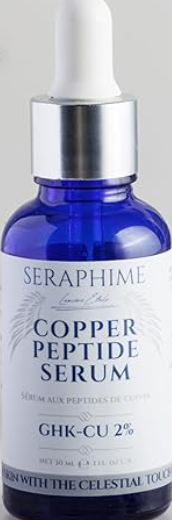
- Copper peptides (GHK-Cu) (I apply this every day on my skin but also 2x a week, at night, I dermaroll and then apply for deeper penetration)
- Copper PCA
🟢 Can be used daily
⚠️ May cause temporary tingling or warmth
2. Subcutaneous Copper (Peptides or Trace Copper)
Best for:
- Systemic healing
- Connective tissue repair
- Immune modulation
- Anti-aging signaling
Often used in cycles, not indefinitely. I have noticed tremendous improvements from taking GHK-CU subcutaneously.
3. Oral Copper (Glycinate, Bisglycinate)
Best for:
- Correcting deficiency
- Supporting histamine balance
- Thyroid and energy support
⚠️ Requires careful dosing and zinc awareness.
Copper & Peptides 🧬
Copper is inseparable from peptide therapy:
- GHK-Cu literally is copper bound to a peptide
- Copper enables cellular signaling, repair, and regeneration
- Many peptide benefits fail without adequate copper
Copper & Autoimmune Health 🛡️
Copper helps:
- Reduce oxidative stress
- Balance immune signaling
- Support gut integrity
- Lower inflammatory cascades
- Improve mitochondrial resilience
Copper deficiency often mimics or worsens autoimmune symptoms.
Copper, Weight & Metabolism ⚖️
Copper:
- Supports mitochondrial fat oxidation
- Improves insulin signaling
- Helps regulate thyroid hormones
- Prevents iron-driven metabolic damage
Low copper = sluggish metabolism, fatigue, and stalled weight loss.
Copper & Sleep 🌙
Copper supports:
- Nervous system regulation
- Melatonin production pathways
- Reduction in nighttime histamine spikes
Copper imbalance can contribute to restless or fragmented sleep, especially in the second half of the night.
Dosage Guidelines (General Ranges) 📏
Oral Copper
- Typical: 1–3 mg/day
- Short-term deficiency correction may go higher under guidance
Topical Copper
Subcutaneous Copper / GHK-Cu
- Often cycled (example: 8–12 weeks on, then a break)
⚠️ Balance with small portions of zinc (sometimes food sources are enough)—never megadose one without the other.
Side Effects & Detox Symptoms ⚠️
Possible (especially when deficient):
- Temporary nausea
- Headache
- Fatigue
- Warmth or tingling
- Mild anxiety during rebalancing
These often reflect copper repletion, not toxicity.
Risks of Too Much Copper 🚨
True copper toxicity is rare and usually due to:
- Genetic disorders (like Wilson’s disease)
- Industrial exposure
- Severe imbalance with zinc
Copper becomes problematic when:
- Zinc is too low
- Iron is excessive
- Liver function is impaired
Who Should Be Careful or Avoid Copper? 🚫
- Wilson’s disease
- Severe liver disease
- Active copper overload confirmed by testing
Can You Take Copper Continuously? 🔄
It depends on the form.
- Topical copper: yes, often continuous
- Oral copper: usually best cycled or reassessed
- Injectable/subcutaneous copper: best cycled
Copper works best when respected, not megadosed.
Want to Go Deeper? 📚✨
If you want to go deeper into this topic, the book The Copper Revolution explains why copper is so essential, how modern exposures (including fluoride) can interfere with copper balance, and why deficiency may be far more common than most people realize. It connects many of the dots between metabolism, aging, and chronic symptoms in a way that’s both eye-opening and practical.
Final Thoughts 💭
Copper isn’t trendy. It isn’t heavily marketed. And it doesn’t come with flashy promises.
But it may be one of the missing links in:
- Histamine intolerance
- Autoimmune dysfunction
- Poor skin aging
- Fatigue
- Weight resistance
- Sleep disruption
I personally apply copper topically and also use it subcutaneously, because the results—skin, energy, and resilience—are undeniable.
Copper doesn’t shout.
It restores.